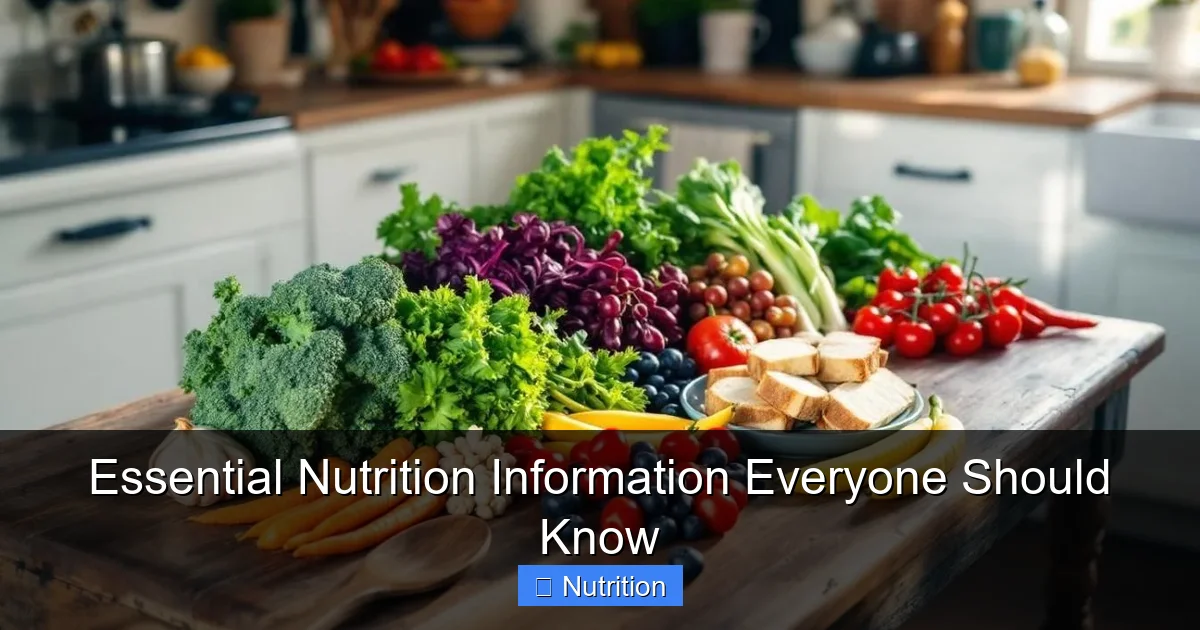
Featured image for this comprehensive guide about nutrition in urban areas
Image source: echoassociates.org
The vibrant energy of city life often conjures images of endless possibilities: bustling careers, diverse cultures, and a plethora of dining options. Yet, beneath this dynamic facade lies a complex reality regarding nutrition in urban areas. For millions, access to wholesome, affordable food is not a given. Instead, urban environments present a unique set of challenges that can significantly impact dietary health, leading to what some call a “paradox of plenty” where convenience often trumps nutritional value.
Navigating the concrete jungle to find nutritious food can feel like a daily marathon. From the ubiquity of fast-food chains to the scarcity of fresh produce in certain neighborhoods, the urban landscape profoundly shapes our eating habits and overall well-being. This comprehensive guide will delve into the intricacies of urban nutrition, exploring the obstacles, understanding the health implications, and uncovering innovative solutions designed to foster healthier communities. We’ll provide actionable insights for individuals and highlight the critical role of collective efforts in transforming our cityscapes into havens of health.
Understanding and addressing the nuances of nutrition in urban areas is more crucial now than ever. As cities continue to grow and globalize, the health outcomes of their inhabitants increasingly depend on the accessibility, affordability, and quality of food available. Join us as we explore how urban dwellers can make informed choices, advocate for change, and cultivate a lifestyle that prioritizes well-being amidst the unique pressures of city living.
Quick Answers to Common Questions
What makes achieving good nutrition in urban areas challenging?
Life in the city often means busy schedules, smaller living spaces, and easy access to processed foods. Balancing convenience with healthy choices is a key aspect of good nutrition in urban areas.
Where can I find fresh, healthy food for better nutrition in urban areas?
Many cities boast vibrant farmers’ markets, community gardens, or specialty grocery stores focused on fresh produce. Exploring diverse ethnic markets can also reveal affordable and nutritious options for good nutrition in urban areas.
Is healthy eating expensive when prioritizing nutrition in urban areas?
Not necessarily! Planning meals, buying seasonal produce, and utilizing bulk stores can significantly cut costs. Smart shopping and cooking at home are great ways to make nutrition in urban areas budget-friendly.
How can I fit healthy meals into my busy city lifestyle for improved nutrition in urban areas?
Meal prepping on weekends, choosing quick and nutritious grab-and-go options, and utilizing online grocery delivery services can be lifesavers. Prioritizing efficient, healthy food preparation is crucial for sustained nutrition in urban areas.
What are some common pitfalls to watch out for regarding nutrition in urban areas?
Relying too heavily on fast food, skipping meals, and not planning your grocery trips are common traps. Being mindful of your food environment and making conscious choices is essential for maintaining good nutrition in urban areas.
📋 Table of Contents
- The Urban Food Landscape: Navigating Food Deserts and Food Swamps
- Key Nutritional Challenges and Health Impacts in Cities
- Beyond Access: Socioeconomic Factors and Lifestyle Choices in Urban Nutrition
- Innovative Solutions: Cultivating Healthier Urban Food Systems
- Empowering Urban Dwellers: Practical Strategies for Better Nutrition
- Conclusion: Cultivating Health and Resilience in the Urban Landscape
The Urban Food Landscape: Navigating Food Deserts and Food Swamps
When discussing nutrition in urban areas, it’s impossible to ignore the twin phenomena of “food deserts” and “food swamps.” These terms describe critical aspects of the urban food environment that significantly influence dietary patterns and health outcomes for city residents.
Learn more about nutrition in urban areas – Rural Nutrition: Overcoming Food Access Challenges
Image source: i2.wp.com
Understanding Food Deserts in Urban Settings
A “food desert” is typically defined as an urban area where residents have limited access to affordable, nutritious food. The U.S. Department of Agriculture (USDA) defines low-income, low-access areas based on census tracts where a significant portion of the population lives in poverty and a supermarket is more than a mile away. In these areas, convenience stores and liquor stores, which primarily stock highly processed, calorie-dense, and nutrient-poor foods, become the only readily available options. Imagine trying to prepare a fresh, home-cooked meal when your nearest grocery store is miles away, and you lack reliable transportation. This reality forces many urban families into cycles of unhealthy eating, impacting their long-term health and perpetuating health disparities.
| Nutritional Aspect | Urban Area Trend/Statistic | Key Contributing Factor/Comparison |
|---|---|---|
| Access to Fresh Produce | ~20-25% of urban low-income areas classified as food deserts. | Limited full-service grocery stores, reliance on convenience stores; contrasts with potential rural access to local farms. |
| Dietary Patterns | Higher consumption of ultra-processed foods; 2-3 fast-food meals per week average. | Availability, affordability, time constraints, aggressive marketing; often more pronounced than in rural areas. |
| Obesity/Overweight Rates | Adult obesity rates frequently range from 25-35%, with higher rates in disadvantaged neighborhoods. | Sedentary lifestyles, high-calorie processed food access, stress, limited green spaces; complex interaction of factors. |
| Food Insecurity | 10-15% of urban households experience food insecurity, varying significantly by city/district. | High cost of living, unemployment, low wages, lack of affordable housing despite proximity to food sources. |
| Micronutrient Deficiencies | Common deficiencies include Vitamin D (~40-60% insufficient) and Iron (15-20% among women). | Limited sun exposure (Vit D), diets lacking diverse fresh foods, reliance on energy-dense but nutrient-poor options. |
- Limited Access: Scarcity of supermarkets or large grocery stores selling fresh produce, lean proteins, and whole grains.
- Transportation Barriers: Many residents in food deserts rely on public transport or walking, making it difficult to carry large quantities of groceries.
- Economic Constraints: Even if fresh produce is available, it might be unaffordable for low-income families in corner stores.
- Time Poverty: For busy urban workers, the extra effort required to find healthy food can be prohibitive.
The Pervasive Influence of Food Swamps
While food deserts represent a lack of healthy options, “food swamps” describe urban areas saturated with unhealthy food choices. Think of neighborhoods teeming with fast-food restaurants, dollar stores, and convenience stores offering an abundance of ultra-processed snacks, sugary drinks, and high-fat foods. Even if a supermarket exists nearby, the sheer density and aggressive marketing of unhealthy options can overwhelm healthier choices. This environment actively encourages poor dietary habits, making it incredibly challenging for residents, especially children, to make healthy choices. The constant exposure to and easy accessibility of cheap, palatable, but unhealthy foods are significant contributors to rising obesity rates and chronic diseases in urban nutrition challenges.
- Abundance of Unhealthy Options: High concentration of fast-food outlets, convenience stores, and liquor stores.
- Aggressive Marketing: Constant exposure to advertisements for sugary drinks, processed snacks, and fast food.
- Cost-Effectiveness (perceived): Unhealthy options are often cheaper and more convenient, appealing to budget-conscious and time-strapped consumers.
- Impact on Children: Growing up in a food swamp can normalize unhealthy eating patterns from a young age.
Both food deserts and food swamps are critical factors shaping healthy eating in cities and contribute significantly to the health disparities observed in urban populations.
Key Nutritional Challenges and Health Impacts in Cities
The unique food environments in urban settings lead to a range of specific nutritional challenges that directly impact public health. Understanding these challenges is the first step toward developing effective strategies for improving nutrition in urban areas.
Learn more about nutrition in urban areas – Rural Nutrition: Overcoming Food Access Challenges
Image source: turennepharmedco.com
Prevalence of Chronic Diseases
Poor urban nutrition is a significant driver of chronic diseases. The high consumption of processed foods, sugary beverages, and unhealthy fats – common in both food deserts and food swamps – contributes to increased rates of obesity, type 2 diabetes, cardiovascular disease, and certain cancers. For instance, data indicates that obesity rates are often higher in low-income urban areas, with a direct correlation to the lack of access to healthy food and the abundance of unhealthy alternatives. The Centers for Disease Control and Prevention (CDC) consistently highlights how diet-related diseases disproportionately affect minority and low-income urban communities, creating a cycle of ill health and economic burden.
- Obesity: High intake of calorie-dense, nutrient-poor foods leads to weight gain.
- Type 2 Diabetes: Linked to diets high in sugar and refined carbohydrates.
- Cardiovascular Disease: Often results from diets high in saturated and trans fats, and sodium.
- Certain Cancers: Poor diet is a known risk factor for various types of cancer.
Micronutrient Deficiencies and Hidden Hunger
Despite the “plenty” of food in urban areas, many residents suffer from “hidden hunger”—a lack of essential vitamins and minerals, or micronutrient deficiencies. Diets composed primarily of processed foods may be calorie-sufficient but are often devoid of crucial nutrients like iron, zinc, Vitamin A, and Vitamin D. This can lead to a range of health issues, including impaired immune function, developmental delays in children, and chronic fatigue. Addressing improving urban diets means not just increasing access to food, but to nutrient-dense food.
The Role of Stress and Mental Health
City life can be stressful, and stress significantly impacts eating behaviors. High-stress levels, often compounded by economic insecurity and unsafe living conditions in some urban neighborhoods, can lead to emotional eating, cravings for comfort foods (which are often high in sugar and fat), and a decreased motivation to prepare healthy meals. This interplay between mental health and diet forms a critical aspect of urban health disparities that must be considered in holistic health interventions.
The cumulative effect of these challenges paints a stark picture of the health consequences stemming from inadequate nutrition in urban areas. Addressing these issues requires multi-faceted approaches that tackle both food access and the broader determinants of health.
Beyond Access: Socioeconomic Factors and Lifestyle Choices in Urban Nutrition
While food deserts and swamps play a significant role, nutrition in urban areas is also heavily influenced by a complex web of socioeconomic factors and lifestyle choices. These underlying conditions often dictate how individuals interact with their food environment, regardless of availability.
Income and Affordability
One of the most significant barriers to healthy eating in cities is cost. Fresh produce, organic options, and lean proteins are often more expensive than processed, calorie-dense foods. For low-income urban families, stretching a limited budget means prioritizing quantity over quality, often leading to reliance on cheaper, less nutritious options. This financial strain contributes directly to poor dietary habits and the perpetuation of health inequities. Initiatives that focus on making nutritious food affordable are crucial for successful urban food access.
Education and Nutritional Literacy
A lack of nutritional education can prevent individuals from making informed food choices, even when healthier options are available. Many urban residents, especially those without access to comprehensive health education, may not understand the long-term health implications of their dietary habits or how to prepare nutritious meals on a budget. Programs that enhance nutritional literacy and cooking skills are vital components of any strategy aimed at improving urban diets.
Time Constraints and Convenience Culture
Urban life is often characterized by fast-paced schedules, long commutes, and demanding jobs. This “time poverty” makes convenience a high priority for many urban dwellers. Fast-food restaurants, ready-to-eat meals, and ultra-processed snacks offer quick solutions, but at a nutritional cost. The culture of convenience deeply impacts sustainable urban nutrition efforts, making it challenging for people to dedicate time to grocery shopping, meal planning, and home cooking.
Table 1: Factors Influencing Urban Dietary Choices
| Factor | Impact on Nutrition | Example in Urban Areas |
|---|---|---|
| Income Level | Determines affordability of healthy vs. unhealthy foods. | Families opting for cheap fast food over fresh groceries due to budget. |
| Education/Literacy | Influences understanding of healthy eating principles. | Lack of awareness about benefits of whole grains or vegetable preparation. |
| Time Constraints | Prioritizes quick, convenient meals over home cooking. | Busy professionals relying on takeout or ready meals daily. |
| Access to Transportation | Affects ability to reach supermarkets outside immediate neighborhood. | Residents in food deserts unable to travel to a distant grocery store. |
| Cultural Food Norms | Shapes dietary preferences and traditional eating patterns. | Community events centered around specific cultural foods, some of which may be high in fat/sugar. |
Marketing and Advertising
Urban environments are bombarded with advertising for unhealthy foods. Billboards, social media ads, and television commercials often target vulnerable populations with enticing messages about processed snacks, sugary drinks, and fast food. This aggressive marketing can counteract efforts to promote healthy eating in cities and influence food choices, especially among children and adolescents.
Addressing these multifaceted challenges requires more than just bringing a supermarket into a food desert. It demands a holistic approach that considers economic disparities, educational needs, and the pervasive influence of modern urban lifestyles on dietary choices and nutrition in urban areas.
Innovative Solutions: Cultivating Healthier Urban Food Systems
Despite the significant challenges, many cities and communities are spearheading innovative solutions to improve nutrition in urban areas. These initiatives aim to transform food landscapes, empower residents, and build more resilient and equitable food systems.
Urban Farming and Community Gardens
One of the most inspiring solutions is the rise of urban farming and community gardens. By converting vacant lots, rooftops, and even vertical spaces into productive farms, city dwellers are increasing access to fresh produce right in their neighborhoods. These initiatives not only provide healthy food but also foster community engagement, offer educational opportunities, and create green spaces. According to the Food and Agriculture Organization (FAO), urban agriculture can supply up to 15-20% of the world’s food, demonstrating its significant potential for sustainable urban nutrition.
- Increased Access: Provides fresh, locally grown produce directly to residents.
- Community Building: Fosters social connections and shared ownership.
- Educational Hubs: Teaches gardening skills, nutrition, and food preparation.
- Economic Opportunities: Can create jobs and local food markets.
Farmers’ Markets and Mobile Food Markets
Bringing farmers’ markets directly into urban neighborhoods, particularly those designated as food deserts, is another effective strategy for enhancing urban food access. Many markets now accept SNAP/EBT benefits, and some offer incentive programs (like “double-up food bucks”) that match these benefits, making fresh food more affordable. Mobile food markets, often set up in converted buses or trucks, take this a step further by bringing fresh produce directly to residents’ doorsteps or public gathering spots, overcoming transportation barriers.
Food Policy Councils and Local Legislation
Policy changes play a critical role in shaping nutrition in urban areas. Local governments and food policy councils are developing strategies to:
- Incentivize grocery stores to open in underserved areas.
- Implement zoning laws that limit the proliferation of fast-food outlets in certain neighborhoods.
- Support urban agriculture initiatives with land access and funding.
- Introduce “healthy corner store” programs that help small businesses stock and market fresh produce.
These policy-level interventions create systemic changes that can have a broad and lasting impact on city healthy food environments.
Food Hubs and Distribution Networks
To improve the efficiency of bringing healthy food to urban areas, food hubs are emerging. These centralized facilities aggregate, market, and distribute food from local and regional producers to schools, hospitals, restaurants, and retail outlets in urban centers. They streamline the supply chain, support local farmers, and enhance the availability of fresh, healthy options in institutional settings and communities alike, contributing significantly to improving urban diets.
Nutrition Education and Cooking Programs
Beyond increasing access, empowering residents with knowledge and skills is paramount. Community-based nutrition education programs, cooking classes, and food literacy workshops help urban dwellers understand healthy eating principles, read food labels, and prepare nutritious meals on a budget. These programs are essential for ensuring that increased access translates into better dietary choices and ultimately, better nutrition in urban areas.
These diverse solutions demonstrate a collective commitment to overcoming the challenges of urban nutrition and building healthier, more food-secure cities for everyone.
Empowering Urban Dwellers: Practical Strategies for Better Nutrition
While systemic changes are crucial, individuals living in urban areas also have agency in navigating their food environment and making healthier choices. Here are actionable tips for improving your personal nutrition in urban areas.
Shop Smart: Navigate Your Urban Food Environment
Be strategic about where and how you shop. Even in food deserts, there are often ways to find healthier options:
- Utilize Farmers’ Markets: Seek out local farmers’ markets, often found in various parts of the city. Many accept SNAP/EBT.
- Explore Community-Supported Agriculture (CSAs): Join a CSA program to receive regular boxes of fresh, seasonal produce from local farms.
- Look for “Healthy Corner Store” Programs: Some convenience stores now participate in programs that encourage stocking fresh produce and healthier staples.
- Plan Ahead: Make a grocery list and plan your meals for the week to avoid impulse buys of unhealthy items.
- Consider Online Grocery Delivery: If available and affordable, this can bring groceries directly to your door, bypassing transportation challenges.
Master Meal Prep and Home Cooking
One of the most powerful tools for improving urban nutrition is home cooking. It gives you control over ingredients, portion sizes, and preparation methods.
- Batch Cooking: Dedicate a few hours on a weekend to cook larger quantities of healthy staples (grains, roasted vegetables, cooked proteins) that can be used throughout the week.
- Simple, Quick Meals: Learn a repertoire of healthy meals that can be prepared in 30 minutes or less (e.g., stir-fries, omelets, simple salads with lean protein).
- Smart Snacking: Keep healthy snacks on hand to avoid succumbing to unhealthy options when hunger strikes (e.g., fruit, nuts, yogurt, vegetable sticks with hummus).
Prioritize Hydration and Limit Sugary Drinks
Sugary beverages are a major contributor to poor health outcomes in urban areas. Making water your primary drink choice is a simple yet effective strategy.
- Carry a Reusable Water Bottle: Refill it throughout the day.
- Flavor Water Naturally: Add slices of fruit, cucumber, or mint for a refreshing twist.
- Be Mindful of “Hidden” Sugars: Check labels on juices, iced teas, and specialty coffees.
Advocate and Engage with Your Community
Your voice matters! Get involved in efforts to improve city healthy food access and policies.
- Support Local Food Initiatives: Volunteer at community gardens, or support local farmers.
- Participate in Food Policy Discussions: Attend local meetings or join a food policy council.
- Share Knowledge: Educate friends and family about healthy eating.
Embrace Healthy Eating on a Budget
Eating healthy doesn’t have to be expensive, especially in urban environments where diverse markets exist.
- Buy in Season: Seasonal produce is often cheaper and fresher.
- Utilize Frozen and Canned Goods: Frozen fruits and vegetables (without added sauces) and canned beans, lentils, and tomatoes (low sodium) are nutritious and cost-effective.
- Cook from Scratch: Making meals from basic ingredients is almost always cheaper than buying pre-made.
- Compare Prices: Check different stores or markets for the best deals.
By adopting these practical strategies, urban dwellers can take control of their diets, navigate the challenges of nutrition in urban areas, and build a foundation for lasting health and well-being.
Conclusion: Cultivating Health and Resilience in the Urban Landscape
The journey to optimal nutrition in urban areas is multifaceted, fraught with challenges ranging from the stark realities of food deserts and swamps to the subtle influences of socioeconomic disparities and fast-paced lifestyles. Yet, as we’ve explored, the narrative is far from one of despair. It is a story rich with resilience, innovation, and a growing collective commitment to fostering healthier urban environments.
From the burgeoning growth of urban farms and community gardens transforming concrete into green oases, to the strategic implementation of food policy councils and mobile markets bridging gaps in access, cities are actively redefining what urban food access looks like. These efforts, combined with individual empowerment through nutrition education and practical cooking skills, are steadily paving the way for a future where healthy eating in cities is not a luxury, but a right for all residents.
As urban populations continue to swell globally, the imperative to address nutrition in urban areas will only intensify. It demands ongoing dialogue, collaboration across sectors, and sustained investment in equitable food systems. By understanding the complexities, embracing innovative solutions, and empowering ourselves with actionable strategies, we can collectively cultivate cities where fresh, nutritious food is abundant, affordable, and accessible, ensuring vibrant health and well-being for every urban dweller. Let us continue to advocate, educate, and act to transform our urban landscapes into beacons of health and nutritional equity.
Frequently Asked Questions
What are the primary challenges to achieving good nutrition in urban areas?
Urban dwellers often face obstacles like the high cost of fresh produce, limited access to full-service grocery stores, and the prevalence of fast-food options. Time constraints and extensive commutes can also make healthy meal preparation difficult for many residents.
How do “food deserts” impact urban nutrition, and where are they typically found?
Food deserts are areas, often in low-income urban neighborhoods, where residents have limited or no access to affordable, healthy food options. This lack forces reliance on convenience stores and fast food, significantly contributing to poor dietary habits and associated health issues.
What strategies can urban residents use to improve their access to healthy food?
Residents can seek out farmers’ markets, participate in Community Supported Agriculture (CSA) programs, or utilize grocery delivery services for better food access. Advocating for more full-service grocery stores and community gardens in their neighborhoods can also make a significant difference for urban nutrition.
Are there specific health risks associated with inadequate nutrition in urban environments?
Yes, poor urban nutrition can elevate the risk of chronic diseases such as obesity, type 2 diabetes, and heart disease due to diets high in processed foods and low in fresh produce. Mental health can also be negatively impacted by nutrient deficiencies, affecting overall well-being.
How do local governments and non-profits address urban nutrition challenges?
Many organizations implement programs like mobile farmers’ markets, subsidized healthy food initiatives, and educational workshops on cooking and nutrition. They also work to attract grocery stores to underserved areas and support community food programs to enhance urban food security.
What role do community gardens and urban farming play in enhancing urban nutrition?
Community gardens and urban farms provide fresh, locally grown produce directly to residents, improving food access and dietary diversity. They also foster community engagement, offer educational opportunities, and can help mitigate the “food desert” effect in densely populated urban settings.