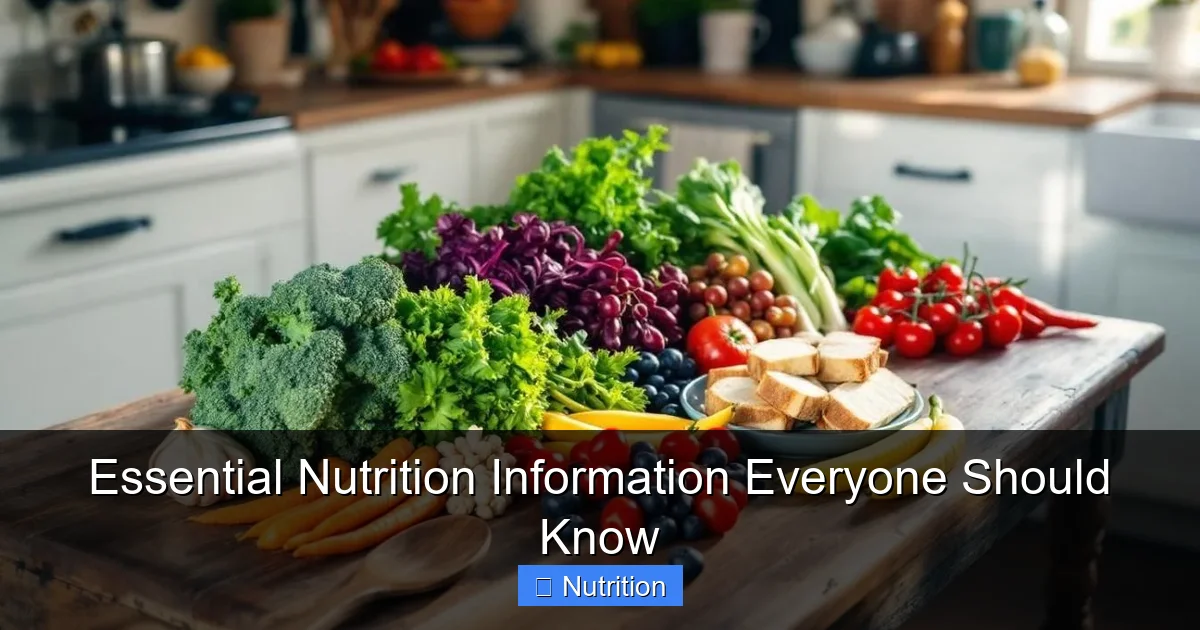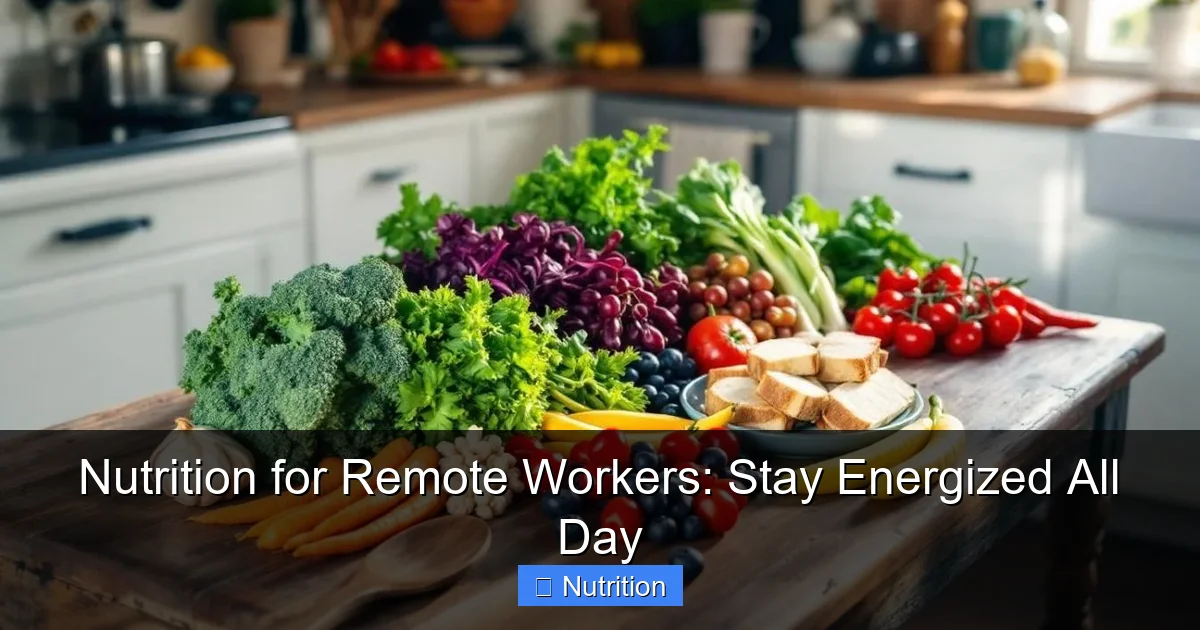
Featured image for this comprehensive guide about nutrition at home
Image source: nutrition-malin.fr
The landscape of work has irrevocably shifted. With millions globally embracing the flexibility and autonomy of working from home, the lines between our personal and professional lives have become beautifully, yet sometimes challengingly, blurred. While the lack of a daily commute and the comfort of your own space are undeniable perks, remote work introduces a unique set of considerations, especially when it comes to our health and well-being. One of the most critical, yet often overlooked, aspects is nutrition at home.
It’s easy to fall into unhealthy patterns when your kitchen is just steps away and your schedule feels less structured. The temptation of endless snacking, the ease of processed foods, or even the habit of skipping meals can severely impact your energy levels, focus, and long-term health. But here’s the good news: your home office can also be your biggest ally in cultivating outstanding health. By intentionally planning your remote work nutrition, you can transform your home environment into a hub of sustained energy, peak mental clarity, and overall vitality.
This comprehensive guide is designed to empower you, the remote professional, with actionable strategies and insights to master your home office diet. We’ll delve into the unique challenges of working from home and equip you with practical tips for meal planning, mindful eating, and creating a kitchen that supports your goals. Get ready to unlock a new level of energy and productivity, all starting with what you eat.
Quick Answers to Common Questions
How can I avoid constant snacking and improve my nutrition at home?
Schedule regular meal and snack times to prevent mindless grazing. Keep healthy, prepped options like fruit or nuts visible for easy, good nutrition at home.
What are some quick, healthy lunch ideas for better nutrition at home on a busy workday?
Opt for simple meals like loaded salads, whole-grain wraps, or quick stir-fries with pre-cut veggies. These are fast ways to boost your nutrition at home and stay energized.
Why is hydration key for my nutrition at home when working remotely?
Staying well-hydrated is crucial because it directly impacts your energy levels and focus, preventing the fatigue often confused with hunger. Make sure water is your go-to for optimal nutrition at home.
What should I eat to beat the mid-afternoon slump and support my nutrition at home?
Combat the slump with balanced snacks like an apple with nut butter or Greek yogurt with berries. These choices provide sustained energy, a cornerstone of good nutrition at home.
How can meal planning help improve my nutrition at home?
Meal planning is a game-changer; it ensures you always have healthy options ready, reducing last-minute unhealthy choices. This consistent effort is vital for maintaining great nutrition at home.
📋 Table of Contents
- The Unique Nutritional Challenges of Working from Home
- Building Your Home Office Nutrition Foundation: Essential Principles
- Mastering Meal Prep & Planning for Remote Success
- Mindful Eating and Desk-Side Strategies
- Optimizing Your Kitchen & Pantry for a Healthier You
- Conclusion
The Unique Nutritional Challenges of Working from Home
Working remotely offers unparalleled freedom, but it also presents distinct dietary hurdles that in-office workers might not face. Understanding these challenges is the first step toward overcoming them and establishing effective nutrition for remote workers.
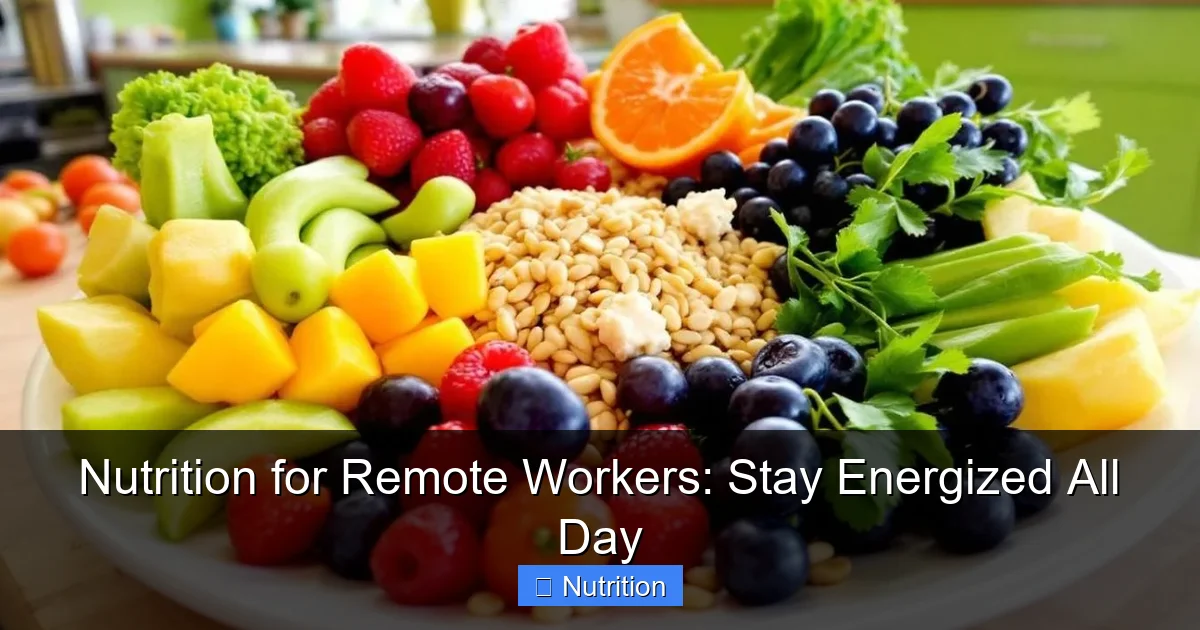
Learn more about nutrition at home – Nutrition for Remote Workers: Stay Energized All Day
Image source: nutrition-malin.fr
Proximity to the Pantry: The Double-Edged Sword
Your kitchen, once a sanctuary for evening meals, now shares real estate with your workspace. This constant accessibility to food can be a blessing or a curse. On one hand, it allows for fresh, home-cooked meals. On the other, it can lead to:
| Nutritional Factor | Home Environment Practice | Health & Wellness Impact |
|---|---|---|
| **Meal Preparation** | Cooking 4-6 meals/week from scratch vs. 2-3 times. | Greater control over ingredients; typically 25-50% lower in unhealthy fats, sugar, and sodium compared to restaurant/takeout meals. |
| **Ingredient Quality** | Prioritizing fresh produce, lean proteins, and whole grains. | Higher intake of essential vitamins, minerals, and fiber; supports better digestion, energy levels, and reduces exposure to additives. |
| **Portion Control** | Serving appropriate portion sizes (e.g., using smaller plates, measuring). | Helps prevent overeating and promotes healthy weight management; can reduce calorie intake by an estimated 200-500 calories per meal compared to restaurant servings. |
| **Snacking Habits** | Keeping healthy snacks (fruits, nuts, yogurt) accessible and limiting processed options. | Reduces reliance on highly processed, sugary, or fried snacks; stabilizes blood sugar and provides sustained energy. |
| **Family Meal Dynamics** | Regularly sharing meals at home (e.g., 5+ times a week). | Improved dietary quality for children (e.g., higher fruit/veg intake), reduced risk of disordered eating, enhanced family connection and communication. |
- Mindless Snacking: Boredom, stress, or even just habit can send you wandering to the fridge or pantry for a quick bite, often choosing less healthy options.
- Over-Consumption: Without the social cues or set break times of an office, it’s easy to graze throughout the day, losing track of how much you’re actually eating.
Blurred Lines: Work-Life Balance and Meal Times
The flexibility of remote work can sometimes lead to an erosion of boundaries. This often manifests in inconsistent eating patterns:
- Skipping Meals: Intense focus or back-to-back virtual meetings might cause you to delay or skip breakfast or lunch, leading to overeating later.
- Eating at Your Desk: While convenient, eating while working distracts from the act of eating itself, often resulting in poor digestion and reduced satisfaction. It also blurs the line between work and relaxation.
- Inconsistent Schedules: Without a fixed routine, meal times can become erratic, disrupting your metabolism and making it harder to maintain a healthy digestive system.
Sedentary Lifestyle and Energy Needs
A typical remote workday often involves significantly less physical activity than a commute-based job. Fewer steps, less movement between meetings, and reduced incidental exercise mean your caloric needs might be lower than you’d think. This makes smart healthy eating at home even more critical to avoid unnecessary weight gain and maintain energy without overeating.
Building Your Home Office Nutrition Foundation: Essential Principles
To truly stay energized all day, a solid foundation of healthy eating principles is non-negotiable. These aren’t just diet fads; they’re sustainable habits that support optimal function for every remote professional striving for peak performance through effective remote work nutrition.
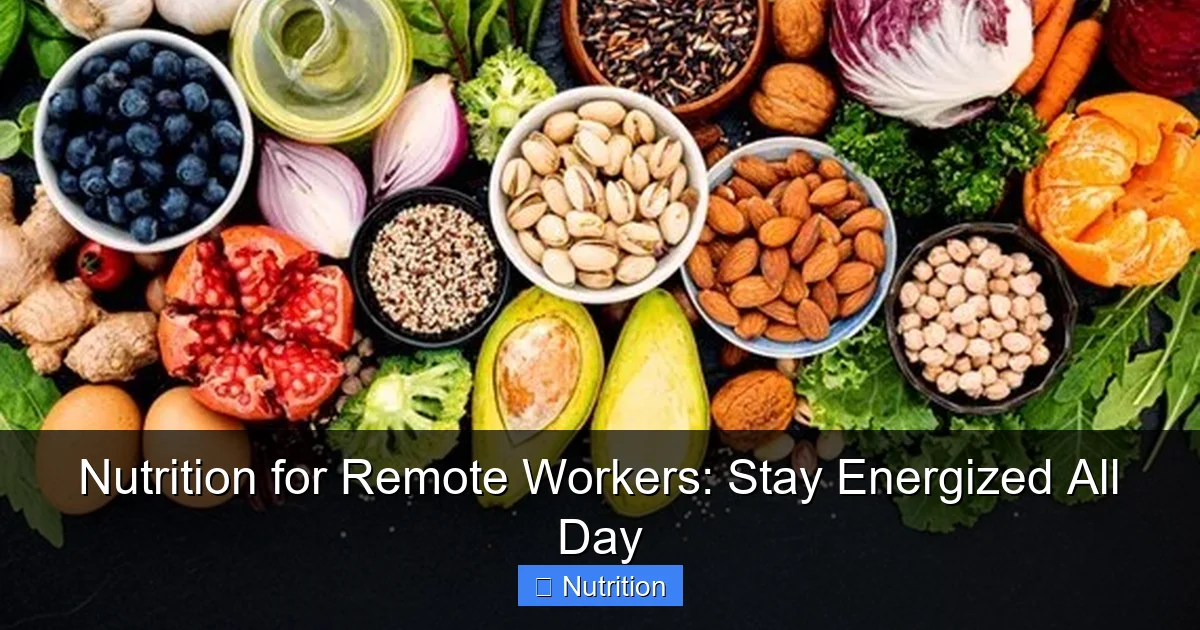
Learn more about nutrition at home – Nutrition for Remote Workers: Stay Energized All Day
Image source: mehraeenhospital.com
Prioritize Whole Foods
The cornerstone of any healthy diet, especially when working from home, is focusing on whole, unprocessed foods. These are foods that are as close to their natural state as possible, packed with essential nutrients, fiber, and complex carbohydrates that provide sustained energy without the crash.
- Fruits and Vegetables: Aim for a colorful variety. They are rich in vitamins, minerals, and antioxidants, crucial for immunity and brain function.
- Whole Grains: Opt for oats, quinoa, brown rice, and whole-wheat bread over refined grains. Their fiber content helps regulate blood sugar and keeps you feeling full.
- Lean Proteins: Include chicken, fish, beans, lentils, tofu, and eggs. Protein is vital for muscle repair, satiety, and helps stabilize blood sugar, preventing energy dips.
- Healthy Fats: Avocados, nuts, seeds, and olive oil provide essential fatty acids that support brain health, hormone production, and nutrient absorption.
The Power of Hydration
Often underestimated, proper hydration is paramount for cognitive function, energy levels, and overall physical health. Even mild dehydration can lead to fatigue, headaches, and decreased concentration, directly impacting your remote work productivity.
- Drink Water Regularly: Keep a water bottle at your desk and refill it often. Set reminders if needed.
- Infused Water: Add slices of lemon, cucumber, or berries to your water for a refreshing change that encourages more sips.
- Limit Sugary Drinks: Sodas, energy drinks, and excessive fruit juices can lead to sugar crashes and offer little nutritional value.
Statistic: According to a study published in the Journal of Nutrition, even a 1-3% body water deficit can impair mood, concentration, and working memory, highlighting why hydration for remote workers is so critical.
Balanced Macronutrients for Sustained Energy
A balanced plate includes a healthy mix of carbohydrates, proteins, and fats. Each macronutrient plays a distinct role in keeping you energized and focused throughout your workday.
- Complex Carbohydrates: These are your primary source of energy. Found in whole grains, fruits, and vegetables, they release glucose slowly into your bloodstream, providing steady fuel.
- Lean Proteins: Essential for building and repairing tissues, protein also helps slow down the absorption of carbohydrates, promoting satiety and preventing blood sugar spikes.
- Healthy Fats: Crucial for brain health, hormone production, and nutrient absorption, healthy fats also contribute to feeling full and satisfied.
Aim for a plate that is roughly 50% vegetables, 25% lean protein, and 25% whole grains or starchy vegetables for optimal balanced meals for remote work.
Mastering Meal Prep & Planning for Remote Success
One of the biggest advantages of nutrition at home is the complete control you have over what you eat. However, without a plan, convenience often wins out over health. This is where strategic meal prep and planning become your secret weapons for maintaining a consistent and healthy home office diet.
The Why: Saving Time, Money, and Decision Fatigue
The benefits of advanced planning for meal prepping for remote workers are immense:
- Time Efficiency: Batch cooking on a Sunday saves precious minutes during busy weekdays, allowing you to focus on work or take proper breaks.
- Cost Savings: Cooking at home is almost always cheaper than takeout or ready-made meals.
- Reduced Decision Fatigue: Eliminating the daily “what’s for lunch?” dilemma frees up mental energy for more important tasks.
- Health Control: You dictate the ingredients, portion sizes, and cooking methods, ensuring healthier choices.
Practical Meal Prep Strategies
You don’t need to cook every single meal from scratch. Smart meal prep is about efficiency and versatility.
- Choose Versatile Ingredients: Cook a large batch of quinoa or brown rice, roast a tray of vegetables, and grill some chicken or bake some fish. These components can be mixed and matched throughout the week.
- Breakfast Prep: Overnight oats, homemade granola, or pre-portioned smoothie bags can make mornings seamless.
- Lunch Containers: Invest in good quality, divided containers to keep components separate until you’re ready to eat.
- Double Dinner Recipes: Cook extra portions of dinner to have a ready-made lunch for the next day.
- Theme Days: Assign a theme (e.g., “Taco Tuesday,” “Pasta Wednesday”) to simplify meal decisions and grocery shopping.
Smart Healthy Snacks for Remote Workers
Snacking is inevitable, but it doesn’t have to derail your efforts. The key is to have healthy options readily available to prevent reaching for less nutritious choices when hunger strikes.
- Fruits: Apples, bananas, oranges, berries. Easy to grab, packed with vitamins and fiber.
- Nuts and Seeds: Almonds, walnuts, chia seeds, pumpkin seeds. Excellent source of healthy fats, protein, and fiber (in moderation due to calorie density).
- Vegetable Sticks with Hummus: Carrots, celery, bell peppers with a side of protein-rich hummus.
- Greek Yogurt: High in protein, can be paired with berries or a sprinkle of nuts.
- Hard-Boiled Eggs: A convenient, protein-packed option for sustained energy.
- Whole-Grain Crackers with Avocado: A good source of healthy fats and complex carbs.
Keep these items visible and accessible in your kitchen or near your workspace to make the healthy choice the easy choice when you need to stay energized working from home.
Mindful Eating and Desk-Side Strategies
Beyond what you eat, how you eat plays a significant role in your digestion, satisfaction, and overall energy levels. For remote workers, cultivating mindful eating habits is essential to combat the distractions and blurred boundaries of the home environment and promote better eating habits for remote professionals.
Break Free from Desk Eating
One of the most common pitfalls of nutrition at home is eating directly at your workspace. This can lead to:
- Poor Digestion: When stressed or distracted, your body is less efficient at digesting food.
- Reduced Satisfaction: You’re less likely to register fullness or enjoy your meal, leading to overeating later.
- Mental Burnout: Taking a true break helps reset your mind and improves focus for the afternoon.
Actionable Tip: Designate a specific area for meals – your dining table, a kitchen counter, or even a different room. Step away from your computer. Even 15-20 minutes of a true break can make a huge difference in your energy and focus.
Listening to Your Body’s Cues
Remote work can amplify stress and boredom, both of which can be mistaken for hunger. Developing mindful eating at home means learning to differentiate between true physical hunger and emotional or habitual eating.
- Check-in Before You Snack: Before reaching for food, ask yourself: “Am I truly hungry, or am I bored, stressed, or just needing a break?”
- Eat Slowly: Savor each bite. Pay attention to the flavors, textures, and aromas. This gives your brain time to register fullness, which typically takes about 20 minutes.
- Avoid Distractions: Turn off screens, put away your phone, and focus solely on your meal. This enhances enjoyment and helps you recognize satiety signals.
The “Kitchen Closed” Policy
Establishing clear boundaries around eating times can be particularly helpful for remote workers. After your last meal of the day, consider implementing a “kitchen closed” policy. This means no more snacking until breakfast the next morning. This can prevent unnecessary calorie intake, especially from less healthy evening snacks, and allow your digestive system to rest. A simple trick could be brushing your teeth after dinner to signal the end of eating for the day.
Optimizing Your Kitchen & Pantry for a Healthier You
Your environment plays a powerful role in your choices. By strategically organizing and stocking your kitchen, you can make healthy eating the default and effortless option for your home office diet. Think of your kitchen as your primary tool for successful cooking at home for health.
Stocking Your Pantry for Success
A well-stocked pantry is the foundation of easy, healthy meals. Prioritize non-perishable staples that can be quickly combined into nutritious dishes.
- Whole Grains: Oats, quinoa, brown rice, whole-wheat pasta, whole-grain bread/crackers.
- Legumes: Canned or dried beans (black beans, chickpeas, kidney beans), lentils.
- Canned Goods: Diced tomatoes, tomato paste, tuna or salmon (packed in water), low-sodium broths.
- Nuts and Seeds: Almonds, walnuts, chia seeds, flax seeds for snacks, toppings, or baking.
- Healthy Oils & Vinegars: Olive oil, avocado oil, apple cider vinegar, balsamic vinegar.
- Spices & Herbs: A diverse collection can transform simple ingredients into flavorful meals without excess salt or sugar.
- Nut Butters: Almond butter, peanut butter (look for options with minimal added sugar).
Fridge & Freezer Organization
Making healthy food visible and easily accessible increases the likelihood of choosing it.
- Prep Produce Upon Arrival: Wash and chop fruits and vegetables as soon as you get them home. Store them in clear containers at eye level in your fridge. This makes them grab-and-go for snacks or quick meal additions.
- Designated Snack Zone: Create a section in your fridge or pantry specifically for healthy snacks.
- Freeze Portioned Meals: Cook large batches of soup, chili, stews, or pasta sauces and freeze them in individual portions. These are lifesavers for busy days when you need a quick, healthy lunch.
- Healthy Staples in the Freezer: Keep frozen fruits (for smoothies), frozen vegetables (for quick sides), and lean protein (chicken breasts, fish fillets) on hand.
Quick Home Office Diet Recipes
Having a repertoire of simple, healthy recipes that require minimal effort is key to consistent healthy eating at home. Here are a few ideas:
- Sheet Pan Meals: Toss protein (chicken, tofu, sausage) and chopped vegetables with olive oil and spices, then roast on one pan. Minimal cleanup, maximum flavor.
- Quick Salads: Combine pre-washed greens with canned tuna/chicken/chickpeas, chopped veggies, and a simple vinaigrette.
- Stir-Fries: Sauté frozen stir-fry vegetables with lean protein and a healthy sauce (soy sauce, ginger, garlic). Serve over brown rice or quinoa.
- Breakfast Egg Muffins: Whisk eggs with chopped vegetables and bake in a muffin tin for easy grab-and-go breakfasts.
Sample Daily Meal Plan for Remote Workers
Here’s an example of how a day of balanced nutrition for remote workers might look, focusing on sustained energy and focus:
| Meal | Description | Key Benefits |
|---|---|---|
| Breakfast | Overnight oats with berries, chia seeds, and a scoop of protein powder or Greek yogurt. | Complex carbs for sustained energy, protein for satiety, fiber for digestion. |
| Mid-Morning Snack | Apple slices with a tablespoon of almond butter. | Natural sugars for a gentle energy boost, healthy fats & protein to curb hunger. |
| Lunch | Large salad with mixed greens, grilled chicken/chickpeas, diverse veggies (bell peppers, cucumber, tomatoes), quinoa, and olive oil vinaigrette. | Balanced macronutrients, high fiber, sustained energy without the post-lunch slump. |
| Mid-Afternoon Snack | Handful of walnuts and a hard-boiled egg. | Protein for satiety, healthy fats for brain function, prevents late-afternoon energy dip. |
| Dinner | Baked salmon with roasted sweet potatoes and steamed green beans. | Omega-3s for brain health, complex carbs for slow energy release, vitamins from vegetables. |
| Evening (Optional) | Small cup of herbal tea or a handful of berries if truly hungry. | Hydration, light, and soothing before bed. |
Conclusion
The journey of successful remote work isn’t just about mastering productivity tools or optimizing your workspace; it’s profoundly linked to how you nourish your body and mind. By making conscious, strategic choices about your nutrition at home, you gain a powerful advantage. You transform your kitchen from a source of temptation into a wellspring of sustained energy, unwavering focus, and robust health.
From understanding the unique challenges of the home office to embracing whole foods, mastering meal prep, and practicing mindful eating, every tip shared in this guide is designed to empower you. Remember, small, consistent changes lead to significant, lasting results. You don’t need to overhaul your entire diet overnight; start with one or two actionable tips that resonate with you and build from there.
Embrace the opportunity that remote work offers to take control of your well-being. Prioritize your remote work nutrition, fuel your body intelligently, and watch as your energy levels soar, your focus sharpens, and your overall quality of life improves. Your most productive and energized self is just a few mindful meals away.
Frequently Asked Questions
How can I improve my nutrition at home as a remote worker?
Focus on balanced meals that include lean protein, whole grains, and a generous amount of fruits and vegetables. Meal prepping at the beginning of the week can significantly help you maintain consistent, healthy eating habits throughout your busy work schedule.
How can I avoid constant snacking when my kitchen is so accessible?
Plan healthy snacks like nuts, fruit, or Greek yogurt to have readily available and portioned out. Try drinking a large glass of water before reaching for a snack, as thirst is often mistaken for hunger.
What foods are best for sustained energy and focus during the workday?
Opt for complex carbohydrates like oats or brown rice, healthy fats from avocados or nuts, and lean proteins such as chicken or legumes. These provide a steady release of energy, preventing the common sugar crashes associated with simple carbohydrates.
Do you have tips for quick and healthy meal prep for busy remote workers?
Batch cook versatile ingredients like roasted vegetables, grilled chicken, or quinoa at the beginning of the week. This makes assembling nutritious lunches and dinners much faster and easier, greatly supporting your nutrition at home goals.
How important is hydration for remote workers, and what are the best ways to stay hydrated?
Staying well-hydrated is crucial for cognitive function, energy levels, and overall health, directly impacting your productivity. Keep a water bottle at your desk and set reminders to drink regularly throughout the day, complementing your holistic nutrition at home strategy.
How can I resist the temptation of unhealthy takeout or processed foods when working from home?
The key to successful nutrition at home is proactive planning and stocking your pantry with nutritious options. Prepare healthy ingredients in advance and limit the availability of tempting processed snacks to make healthy choices the default.