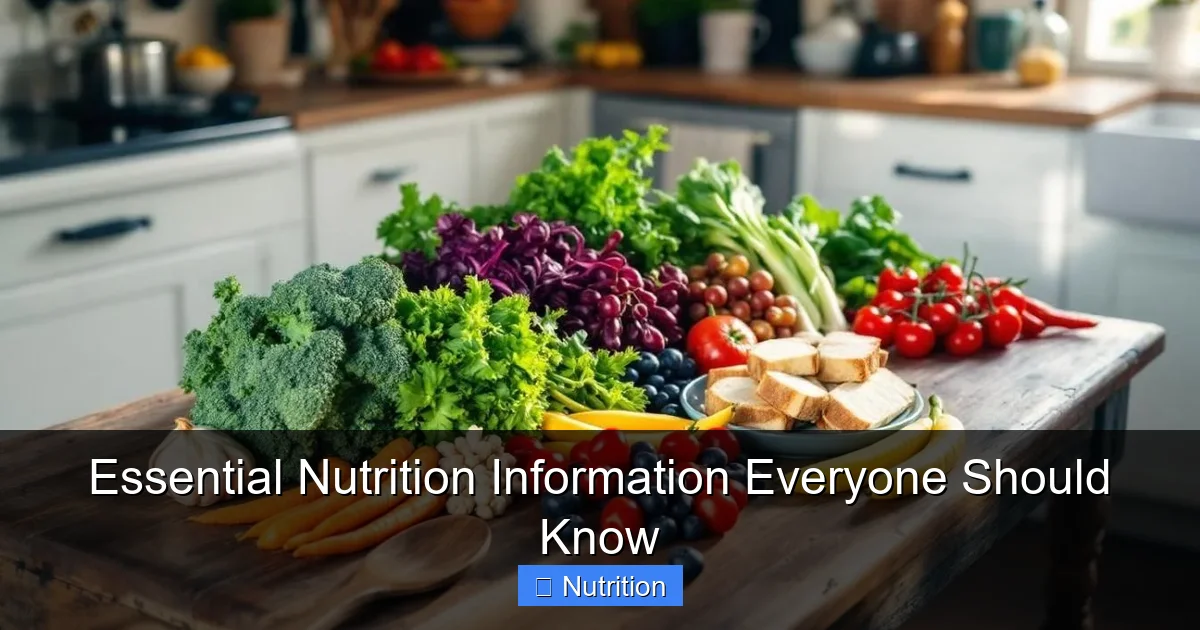
Featured image for this comprehensive guide about nutrition for teens
Image source: i2.wp.com
Nutrition for Teens: Fueling Growth and Focus
Adolescence is a whirlwind of change, from rapid physical development and hormonal shifts to intense academic pressure and burgeoning social lives. During this pivotal time, the demands on a young person’s body and mind are immense. It’s not just about growing taller; it’s about building strong bones, developing a robust immune system, sharpening cognitive functions, and managing fluctuating energy levels. This is where nutrition for teens steps onto center stage, playing an absolutely critical role in shaping their health, well-being, and future potential.
Far too often, teen nutrition gets overlooked amidst busy schedules, the allure of fast food, and conflicting dietary advice. However, providing the right fuel for their bodies isn’t just about preventing deficiencies; it’s about optimizing their growth, enhancing their academic performance, improving their mood, and supporting their athletic endeavors. A well-nourished teen is better equipped to handle stress, resist illness, and maintain focus, ultimately thriving in all aspects of life. This comprehensive guide will delve into the specific needs of adolescents, offering actionable insights and practical tips to ensure your teen is fueling growth and focus with every bite.
The Adolescent Growth Spurt: Why Nutrition Matters More Than Ever
The teenage years are marked by the second most rapid period of growth after infancy. This incredible biological process demands a significant increase in caloric and nutrient intake. Neglecting proper healthy eating for teenagers during this time can have long-lasting consequences on their development, affecting everything from bone density to future disease risk.
Rapid Physical Changes
During puberty, teens experience significant increases in height and weight, alongside changes in body composition. Boys typically see a surge in lean muscle mass, while girls often experience an increase in body fat percentage, both of which are normal and healthy parts of development. This rapid growth spurt requires ample energy, protein, and specific micronutrients.
- Bone Development: Approximately 90% of adult bone mass is laid down by age 18 in girls and by age 20 in boys. Adequate calcium, vitamin D, and phosphorus are vital during these years to build strong bones and reduce the risk of osteoporosis later in life.
- Muscle Growth: Protein is the building block for muscles. Teens, especially active ones, need sufficient protein intake to support muscle synthesis and repair.
- Blood Volume Expansion: Iron is crucial for producing hemoglobin, which carries oxygen in the blood. As blood volume expands and, for girls, menstruation begins, iron needs increase significantly to prevent iron-deficiency anemia, which can cause fatigue and impaired cognitive function.
Brain Development and Cognitive Function
While much attention is paid to physical growth, the brain also undergoes significant remodeling and maturation during adolescence. The prefrontal cortex, responsible for decision-making, impulse control, and planning, continues to develop. Adolescent nutrition directly impacts this process.
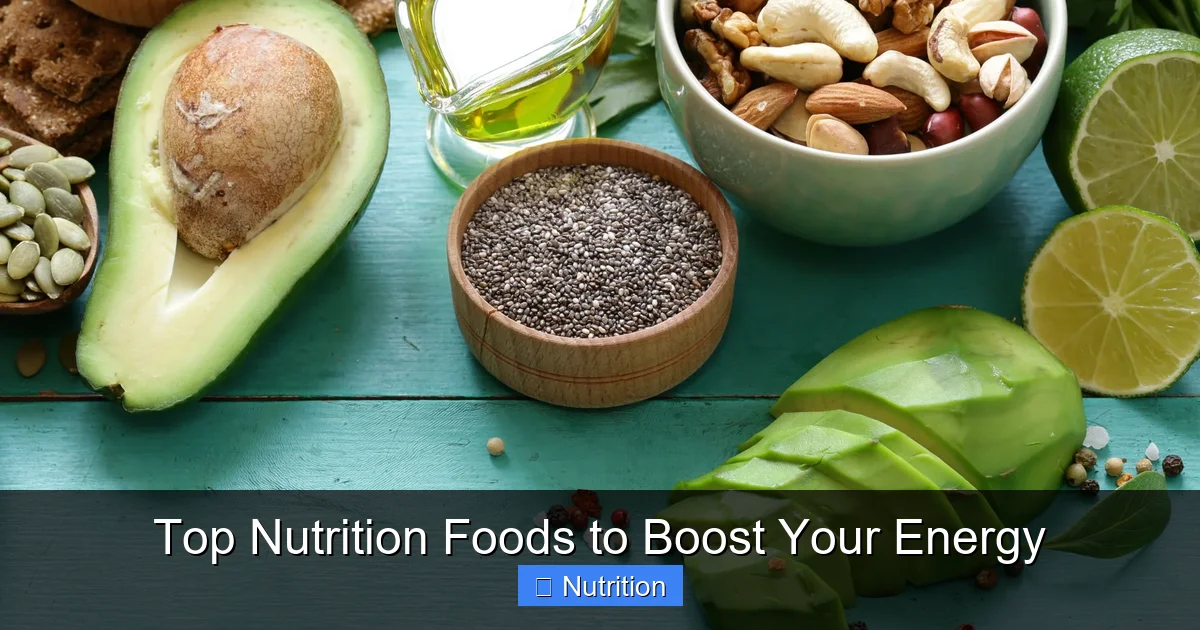
- Omega-3 Fatty Acids: Essential for brain health, cognitive function, and mood regulation. Found in fatty fish, flaxseeds, and walnuts.
- B Vitamins: Play a key role in energy metabolism and neurotransmitter production, impacting focus and mental clarity.
- Glucose: The brain’s primary energy source. Complex carbohydrates provide a steady supply, supporting sustained concentration.
Ensuring nutrition for teens is comprehensive during these formative years sets the stage for lifelong health and optimal functioning.
Essential Nutrients for Growing Bodies and Minds
Understanding the specific nutrients teens need is the first step toward building a teen healthy diet. It’s not just about calories, but about nutrient density and balance.
Protein Power: Building Blocks of Life
Protein is vital for muscle growth, tissue repair, enzyme production, and a healthy immune system. Teens need more protein per pound of body weight than adults to support their rapid growth.
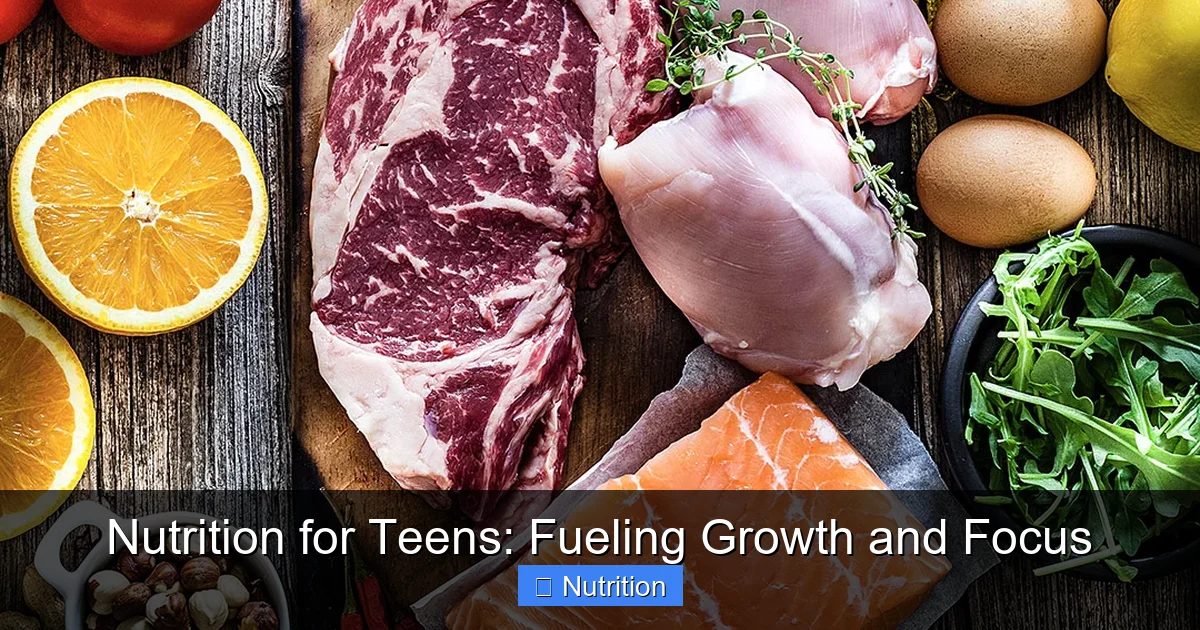
- Sources: Lean meats, poultry, fish, eggs, dairy products (milk, yogurt, cheese), legumes (beans, lentils), nuts, seeds, tofu, and quinoa.
- Tip: Aim to include a source of protein at every meal and snack.
The Importance of Complex Carbohydrates: Sustained Energy
Carbohydrates are the body’s primary source of energy, crucial for physical activity and brain function. Opt for complex carbohydrates over simple sugars for sustained energy release.
- Sources: Whole grains (oats, brown rice, whole wheat bread/pasta), fruits, vegetables, and legumes.
- Avoid: Excessive sugary drinks, candies, and highly processed snacks that lead to energy crashes.
Healthy Fats: Fueling Brain and Body
Fats are essential for hormone production, nutrient absorption (especially fat-soluble vitamins A, D, E, K), brain development, and providing concentrated energy. Focus on unsaturated fats.
- Sources: Avocados, nuts, seeds, olive oil, fatty fish (salmon, mackerel), and nut butters.
- Limit: Saturated and trans fats found in processed foods and fried items.
Vitamins and Minerals: The Micronutrient Marvels
Even in small amounts, these micronutrients are critical for countless bodily functions. Nutrition for teens must prioritize these.
- Calcium: Essential for strong bones and teeth. Teenagers need about 1,300 mg per day.
Sources: Dairy products, fortified plant milks, leafy greens (kale, collards), tofu, fortified cereals. - Iron: Prevents anemia and supports energy levels and cognitive function. Girls have higher needs due to menstruation.
Sources: Red meat, poultry, fish, fortified cereals, beans, spinach. Pair with Vitamin C for better absorption. - Vitamin D: Works with calcium for bone health and supports immune function. Teenagers need 600 IU per day.
Sources: Sun exposure, fatty fish, fortified milk/cereals, some mushrooms. - B Vitamins (B6, B12, Folate): Crucial for energy production, brain function, and red blood cell formation.
Sources: Whole grains, meat, eggs, dairy, leafy greens, fortified cereals.
Hydration: Often Overlooked
Water makes up a large percentage of the human body and is essential for temperature regulation, nutrient transport, and organ function. Dehydration can lead to fatigue, poor concentration, and headaches.
- Tip: Encourage teens to carry a reusable water bottle and drink water throughout the day. Limit sugary drinks like sodas and fruit juices.
Navigating Common Teen Dietary Challenges
Even with the best intentions, providing optimal nutrition for teens can be challenging. Adolescents face unique social and lifestyle pressures that often conflict with healthy eating.
Fast Food and Processed Snacks
Convenience foods are appealing to busy teens and often cheaper than healthier alternatives. However, they are typically high in unhealthy fats, sugar, sodium, and low in essential nutrients.
- Actionable Tip: Instead of outright bans, encourage smarter choices. If fast food is inevitable, guide them toward healthier options like grilled chicken salads, smaller portions, or opting for water instead of soda. Keep healthy snacks readily available at home to reduce the allure of highly processed options.
Peer Pressure and Body Image
Teens are highly susceptible to peer influence, which can impact food choices. Body image concerns can also lead to unhealthy eating patterns, fad diets, or even disordered eating behaviors.
- Actionable Tip: Foster open communication about body image and the media’s unrealistic portrayal of bodies. Emphasize that healthy eating for teenagers is about feeling good, having energy, and nourishing their bodies, not achieving a specific aesthetic. Focus on performance and health benefits rather than weight.
Busy Schedules and Missed Meals
School, sports, part-time jobs, and social activities can make regular meal times difficult. Skipping meals often leads to overeating later or relying on unhealthy convenience foods.
- Actionable Tip: Encourage breakfast every day. Plan easy, grab-and-go breakfasts and pack lunches or healthy snacks for teens for school. Keep quick, nutritious dinner options on hand for hectic evenings.
Vegetarian/Vegan Diets for Teens
Some teens choose vegetarian or vegan diets, which can be healthy if well-planned, but require careful attention to nutrient intake to ensure adequate protein, iron, calcium, vitamin B12, and omega-3s.
- Actionable Tip: If your teen adopts such a diet, consult with a registered dietitian to ensure all nutritional needs are met. Focus on diverse plant-based protein sources, fortified foods, and potentially supplements for B12 and Vitamin D.
Nutrition for Active Teens: Fueling Performance
For teens involved in sports or high levels of physical activity, sports nutrition for teens becomes even more critical. Their energy and fluid needs are significantly higher, and strategic eating can enhance performance, aid recovery, and prevent injuries.
Pre-Workout Fuel: Getting Ready to Go
A meal or snack before activity provides the necessary energy. Focus on complex carbohydrates for sustained release, with a little protein.
- Timing: 2-3 hours before for a larger meal, 30-60 minutes for a snack.
- Examples: Oatmeal with fruit, whole-wheat toast with peanut butter, banana, yogurt, or a turkey sandwich.
During-Workout Hydration and Energy
Staying hydrated is paramount. For activities lasting over an hour, adding some carbohydrates can help maintain energy levels.
- Hydration: Water is usually sufficient for activities under 60 minutes. For longer or intense sessions, electrolyte-containing sports drinks can be beneficial.
- Snacks (for longer sessions): Fruit slices, energy gels, or pretzels.
Post-Workout Recovery: Repair and Replenish
The 30-60 minute window after exercise is ideal for replenishing glycogen stores and repairing muscle tissue. This aids recovery and prepares the body for the next activity.
- Focus: A combination of carbohydrates and protein.
- Examples: Chocolate milk, a fruit smoothie with protein powder/yogurt, a turkey sandwich, or a meal with lean protein and complex carbs.
Building Healthy Habits: Practical Tips for Teens and Parents
Promoting healthy eating for teenagers isn’t about imposing strict rules, but about fostering an environment where good choices are easy and appealing. Involving teens in the process is key to long-term success.
Meal Planning and Preparation
Even a little planning can make a huge difference in ensuring consistent healthy meals.
- Involve Teens: Let them choose a few healthy meals they’d like to eat during the week. Empowering them with choices increases compliance.
- Batch Cooking: Prepare large batches of grains (brown rice, quinoa), cooked chicken, or roasted vegetables on weekends to quickly assemble meals during the week.
- Healthy Breakfast Options: Have ingredients for overnight oats, whole-grain toast, eggs, or yogurt parfaits readily available.
Smart Snacking Strategies
Snacks are an important part of teen nutrition, helping to bridge meals and provide extra energy. Focus on nutrient-dense options.
- Keep them Visible: Place fruit in a bowl on the counter, cut up veggies in the fridge, or pre-portion nuts/seeds in clear containers.
- Combine Nutrients: Pair protein and fiber for satiety – apple slices with peanut butter, Greek yogurt with berries, whole-grain crackers with cheese, or a handful of almonds.
Mindful Eating
Encourage teens to pay attention to their hunger and fullness cues, eating slowly and without distractions (like screens). This helps prevent overeating and promotes better digestion.
Sample Daily Nutrient Recommendations for Teens
These are general guidelines and individual needs can vary based on activity level, metabolism, and growth rate. Consultation with a healthcare professional or registered dietitian is always recommended for personalized advice.
| Nutrient | Ages 14-18 (Girls) | Ages 14-18 (Boys) |
|---|---|---|
| Calories (average) | 1,800-2,400 | 2,200-3,200 |
| Protein | ~46 grams | ~52 grams |
| Fiber | 25-26 grams | 31-38 grams |
| Calcium | 1,300 mg | 1,300 mg |
| Iron | 15 mg | 11 mg |
| Vitamin D | 600 IU (15 mcg) | 600 IU (15 mcg) |
| Water | ~2.3 liters (9 cups) | ~3.3 liters (13 cups) |
Source: Dietary Reference Intakes (DRIs) established by the Food and Nutrition Board of the National Academies of Sciences, Engineering, and Medicine.
Addressing Specific Concerns: Weight, Mental Health, and Eating Disorders
The relationship between nutrition for teens and their overall well-being extends beyond physical health, profoundly impacting their mental and emotional states.
Healthy Weight Management for Teens
Childhood obesity rates have been a growing concern globally. According to the CDC, in 2017-2020, the prevalence of obesity was 22.2% among adolescents aged 12-19 years. Conversely, some teens struggle with being underweight or engaging in unhealthy practices to lose weight. The focus should always be on promoting a healthy relationship with food and sustained healthy eating for teenagers rather than rapid weight loss or gain.
- Balanced Approach: Encourage a balanced diet rich in whole foods, portion control, and regular physical activity. Avoid restrictive diets that can lead to nutrient deficiencies or rebound weight gain.
- Professional Guidance: If there are significant concerns about a teen’s weight, consult a pediatrician or a registered dietitian specializing in adolescent nutrition.
Food and Mood: The Gut-Brain Connection
Research increasingly highlights the strong link between diet and mental health. A diet rich in whole foods, fiber, and healthy fats can support a healthy gut microbiome, which in turn influences brain function and mood. For more guidance on supporting teen emotional wellness, explore our article on mental health tips for teens and young adults.
- Impact of Poor Diet: Diets high in processed foods, sugar, and unhealthy fats have been linked to an increased risk of anxiety, depression, and poor concentration in adolescents.
- Nutrient Power: Omega-3 fatty acids, B vitamins, magnesium, and zinc are crucial for brain health and can help regulate mood.
Recognizing and Addressing Eating Concerns
Eating disorders like anorexia nervosa, bulimia nervosa, and binge eating disorder often manifest during adolescence. Early recognition and intervention are critical.
- Warning Signs: Secretive eating, extreme weight fluctuations, preoccupation with food/body image, excessive exercise, social withdrawal, constant fatigue, or frequent trips to the bathroom after meals.
- Seek Help: If you suspect an eating disorder, seek professional help immediately from a medical doctor, therapist, or registered dietitian specializing in eating disorders. Nutrition for teens in this context needs specialized, compassionate care. Learn more about evidence-based approaches in our guide to CBT exercises for anxiety and depression.
Empowering Teens for a Healthier Future
The journey of adolescence is a transformative one, and nutrition for teens serves as the fundamental bedrock for navigating its challenges and embracing its opportunities. From supporting vigorous physical development and sharpening cognitive abilities to stabilizing mood and preventing future health issues, the benefits of healthy eating for teenagers are far-reaching and profound. It’s about building a strong foundation that will last a lifetime.
Remember, the goal isn’t perfection, but progress. Encourage exploration of diverse, wholesome foods, promote regular physical activity, and foster open conversations about body image and well-being. By empowering teens with knowledge, providing access to nutritious options, and leading by example, we can help them make informed choices that contribute to their immediate health and future success, truly fueling growth and focus for the exciting years ahead. For additional science-backed insights, check out our article debunking common nutrition myths.
Quick Answers to Common Questions
Why is nutrition for teens such a big deal, anyway?
Good nutrition for teens isn’t just about looking good; it’s crucial for supporting their rapid growth, boosting energy levels, and even improving focus for school. Fueling your body right helps you perform your best, inside and out!
What are some easy, go-to healthy snack ideas for busy teens?
Forget the junk! Great nutrition for teens includes quick snacks like a piece of fruit with peanut butter, a handful of almonds, or Greek yogurt. These options provide lasting energy without the sugar crash.
Do I really need to drink a lot of water as a teen?
Absolutely! Staying hydrated is a huge part of good nutrition for teens, impacting everything from your energy and concentration to skin health. Aim to sip water throughout the day, especially before and after activities.
Is it okay for teens to eat fast food or sugary treats sometimes?
While moderation is key for nutrition for teens, occasional fast food or sugary treats are fine! Just remember they shouldn’t be daily staples; try to balance them with more nutrient-dense foods.
How can teens make healthier food choices when hanging out with friends?
Even when out, nutrition for teens can be mindful! Look for grilled options instead of fried, choose water over soda, or share a larger portion with a friend to manage intake.
Frequently Asked Questions
What are the most important things for teens to eat for good health?
Focus on a balanced diet rich in whole grains, lean proteins, fruits, and vegetables. These foods provide the essential vitamins, minerals, and energy needed to support their rapid growth, development, and active lifestyles.
Learn more about nutrition for teens – Nutrition for Teens: Fueling Growth and Focus
Image source: turennepharmedco.com
How does proper nutrition for teens impact their energy levels and ability to focus in school?
Good nutrition for teens is crucial for sustained energy and cognitive function. Regular meals and nutrient-dense foods prevent energy crashes and help maintain stable blood sugar, which is vital for concentration, memory, and overall academic performance.
My teen often reaches for unhealthy snacks. How can I encourage better eating habits?
Offer a variety of healthy, accessible snacks like fruits, vegetables with dip, nuts, yogurt, or whole-grain crackers. Involve your teen in meal planning and preparation to empower them to make more nutritious choices independently.
What key nutrients are especially vital for growing teenagers?
Iron, calcium, and vitamin D are particularly important for teenagers. Iron supports blood health and energy, while calcium and vitamin D are essential for building strong bones during their crucial growth spurt years.
Beyond food, what role does hydration play in nutrition for teens?
Hydration is incredibly important for teens, impacting everything from energy and concentration to physical performance. Encourage them to drink plenty of water throughout the day and limit sugary drinks, which offer little nutritional value.
How can nutrition for teens support a healthy weight and positive body image?
A balanced approach to nutrition for teens, emphasizing whole foods and regular physical activity, promotes a healthy weight naturally. Focus on overall well-being, energy, and strength rather than specific numbers, fostering a positive relationship with food and their bodies. For strategies that support emotional resilience, read our guide on mental wellness strategies for a balanced life.