Featured image for this comprehensive guide about prebiotic nutrition
Image source: m.media-amazon.com
Prebiotic Nutrition: What It Is and Why You Need It
In a world increasingly focused on wellness, the conversation often circles back to one crucial, yet often overlooked, part of our anatomy: the gut. Far from being just a digestive tube, our gut is a complex ecosystem teeming with trillions of microorganisms – collectively known as the gut microbiome. This intricate community plays a pivotal role in everything from digestion and nutrient absorption to immune function, mood regulation, and even chronic disease prevention.
So, how do we nurture this vital internal garden? While probiotics often steal the spotlight, there’s another unsung hero working behind the scenes: prebiotic nutrition. Think of probiotics as the beneficial seeds we plant in our gut, and prebiotics as the nutrient-rich fertilizer that helps them flourish. Understanding and incorporating prebiotic nutrition into your diet is not just a trend; it’s a fundamental strategy for cultivating a robust, healthy microbiome and unlocking a myriad of health benefits that extend far beyond your digestive tract.
This comprehensive guide will demystify prebiotic nutrition, explain its profound impact on your health, reveal where to find these essential compounds, and provide actionable tips to integrate them seamlessly into your daily life. Get ready to transform your health from the inside out!
Quick Answers to Common Questions
What exactly is prebiotic nutrition?
Prebiotic nutrition is all about fueling the good bacteria that live in your gut! It involves consuming specific types of dietary fiber that your body can’t digest, allowing them to reach your large intestine where they become a feast for beneficial microbes.
Why is focusing on prebiotic nutrition so important for my health?
It’s crucial because a well-fed gut microbiome supports everything from efficient digestion and robust immunity to improved mood and nutrient absorption. Prioritizing prebiotic nutrition helps create a thriving gut environment, which is fundamental for overall wellness.
What kinds of foods are rich in prebiotic nutrition?
You can easily boost your prebiotic nutrition by including foods like garlic, onions, leeks, asparagus, bananas (especially slightly green ones), oats, and whole grains in your diet. These common ingredients are fantastic sources to nourish your gut bugs!
Is prebiotic nutrition the same as taking probiotics?
Not quite! While both are gut-friendly, probiotics *introduce* new beneficial bacteria into your system, whereas prebiotic nutrition *feeds* and supports the good bacteria you already have. They work best together, with prebiotics providing the fuel for probiotics (and your existing gut flora) to thrive.
How quickly can I expect to feel benefits from improving my prebiotic nutrition?
While individual results vary, many people notice positive changes in digestion, regularity, and overall well-being within a few weeks of consistently incorporating more prebiotic nutrition into their diet. Small, consistent dietary changes can lead to noticeable improvements!
📋 Table of Contents
- Understanding Prebiotic Nutrition: More Than Just Fiber
- The Profound Benefits of a Prebiotic-Rich Diet
- Where to Find Prebiotics: Your Guide to Food Sources
- Integrating Prebiotics into Your Daily Diet: Actionable Steps
- Prebiotic Nutrition: Addressing Common Questions and Concerns
- The Future of Your Gut: Embracing Prebiotic Nutrition
Understanding Prebiotic Nutrition: More Than Just Fiber
The terms “fiber” and “prebiotics” are often used interchangeably, but while all prebiotics are a type of fiber, not all fibers are prebiotic. This distinction is crucial for understanding how to optimally support your gut microbiome.
Learn more about prebiotic nutrition – Prebiotic Nutrition: What It Is and Why You Need It
Image source: nutritionfacts.org
What Exactly Are Prebiotics?
Scientifically speaking, prebiotics are non-digestible food ingredients that selectively stimulate the growth and/or activity of beneficial bacteria in the colon, leading to improved host health. This means they pass through the upper digestive tract untouched by human enzymes and stomach acid, arriving intact in the large intestine where they become fuel for your good gut bacteria.
| Prebiotic Food Source | Main Prebiotic Fiber Type | Approx. Prebiotic Content (g / 100g edible portion) | Key Health Benefit(s) |
|---|---|---|---|
| Chicory Root | Inulin, FOS | 15-20 | Supports gut flora balance, enhances mineral absorption |
| Garlic | Fructans (FOS) | 9-16 | Boosts immune function, promotes digestive health |
| Onion | Fructans (FOS, Inulin) | 1-5 | Aids digestion, may have anti-inflammatory effects |
| Oats | Beta-glucans | 3-7 | Helps lower cholesterol, stabilizes blood sugar levels |
| Asparagus | Inulin | 2-3 | Supports digestive regularity, contributes to satiety |
Key characteristics of prebiotics include:
- Resistance to Gastric Acidity and Mammalian Enzymes: They survive digestion in the stomach and small intestine.
- Fermentable by Gut Microbiota: They are fermented by beneficial bacteria in the large intestine.
- Selective Stimulation: They specifically promote the growth of health-promoting bacteria, such as Bifidobacteria and Lactobacilli.
Common types of prebiotics you might encounter include fructans (like inulin and fructooligosaccharides, or FOS) and galactooligosaccharides (GOS). These compounds are naturally found in a variety of plants.
The Symbiotic Relationship: Prebiotics and Probiotics
Imagine your gut microbiome as a bustling city. The beneficial bacteria (probiotics) are the residents that keep the city running smoothly. Prebiotics are the essential food supply that nourishes these residents, allowing them to thrive, multiply, and perform their vital functions. Without adequate prebiotic nutrition, even a gut rich in probiotics might struggle, as these good bacteria lack the necessary fuel to survive and make a significant impact.
This symbiotic relationship is why experts often recommend a “synbiotic” approach – combining both prebiotic and probiotic-rich foods or supplements – to achieve optimal gut health. When `prebiotics` are fermented by beneficial bacteria, they produce short-chain fatty acids (SCFAs) like butyrate, acetate, and propionate, which are potent compounds with wide-ranging health benefits, as we’ll explore next.
The Profound Benefits of a Prebiotic-Rich Diet
The impact of prebiotic nutrition extends far beyond simply aiding digestion. By nourishing your gut microbiome, you set off a cascade of positive effects throughout your entire body.
Learn more about prebiotic nutrition – Prebiotic Nutrition: What It Is and Why You Need It
Image source: kaynutrition.com
Enhancing Gut Health and Digestion
The most immediate and noticeable benefits of a diet rich in prebiotics are often felt in the digestive system:
- Improved Bowel Regularity: By increasing stool bulk and facilitating smoother passage, prebiotics can alleviate both constipation and diarrhea.
- Stronger Gut Barrier: SCFAs, particularly butyrate, are the primary energy source for the cells lining your colon. This strengthens the gut barrier, reducing intestinal permeability (“leaky gut”) and preventing harmful substances from entering the bloodstream.
- Reduced Inflammation: SCFAs have potent anti-inflammatory properties, which can soothe irritation in the gut and contribute to the management of inflammatory bowel conditions like Crohn’s disease and ulcerative colitis.
- Pathogen Inhibition: A thriving community of beneficial bacteria, fueled by prebiotics, makes it harder for harmful pathogens to take hold and proliferate in the gut.
According to a meta-analysis published in the journal Nutrients, adequate prebiotic intake is associated with significant improvements in various gastrointestinal symptoms, including bloating, gas, and abdominal pain in individuals with functional gut disorders.
Boosting Your Immune System
Did you know that approximately 70-80% of your immune system resides in your gut? This makes your gut health inextricably linked to your body’s ability to fight off infections and diseases. Prebiotic nutrition plays a critical role in this connection:
- Immune Cell Modulation: SCFAs produced during prebiotic fermentation interact with immune cells in the gut, influencing their development and activity. This can lead to a more balanced and effective immune response.
- Anti-inflammatory Effects: By reducing systemic inflammation, prebiotics indirectly support a healthy immune system, as chronic inflammation can suppress immune function.
- Reduced Allergy Risk: Some research suggests that prebiotic supplementation during early life may reduce the risk of developing allergies and asthma by promoting a balanced immune response.
Beyond the Gut: Weight Management and Metabolic Health
The influence of prebiotic nutrition extends even to your metabolism and body weight:
- Improved Satiety: Prebiotics can influence the release of gut hormones that signal fullness, potentially leading to reduced calorie intake and aiding in weight management.
- Better Blood Sugar Control: Fermentation of prebiotics can slow down glucose absorption and improve insulin sensitivity, contributing to more stable blood sugar levels. This is particularly beneficial for individuals at risk of type 2 diabetes.
- Fat Metabolism: Some studies indicate that prebiotics may alter fat metabolism, potentially reducing fat storage and improving lipid profiles.
A review in the British Journal of Nutrition highlighted that specific prebiotics like inulin and FOS have been shown to reduce body weight and fat mass in overweight and obese individuals, alongside improvements in glucose and lipid metabolism.
Mood, Brain Function, and the Gut-Brain Axis
The “gut-brain axis” is a fascinating two-way communication highway connecting your gut and your brain. Your gut microbiome is a key player in this dialogue, and prebiotic nutrition can profoundly impact your mental well-being:
- Neurotransmitter Production: Many neurotransmitters, including serotonin (a key mood regulator), are produced or influenced by gut bacteria. Prebiotics foster the bacteria that contribute to this production.
- Reduced Stress and Anxiety: Studies have shown that `prebiotic intake` can reduce levels of stress hormones (like cortisol) and improve symptoms of anxiety and depression in both animal models and humans.
- Improved Cognitive Function: Emerging research suggests a link between a healthy microbiome, supported by prebiotics, and enhanced memory and cognitive function.
Where to Find Prebiotics: Your Guide to Food Sources
The best way to incorporate prebiotic nutrition into your diet is through whole, unprocessed foods. Nature has provided an abundance of delicious sources that can be easily integrated into your meals.
Top Prebiotic-Rich Foods
While many plant-based foods contain fiber, the following are particularly rich in prebiotics:
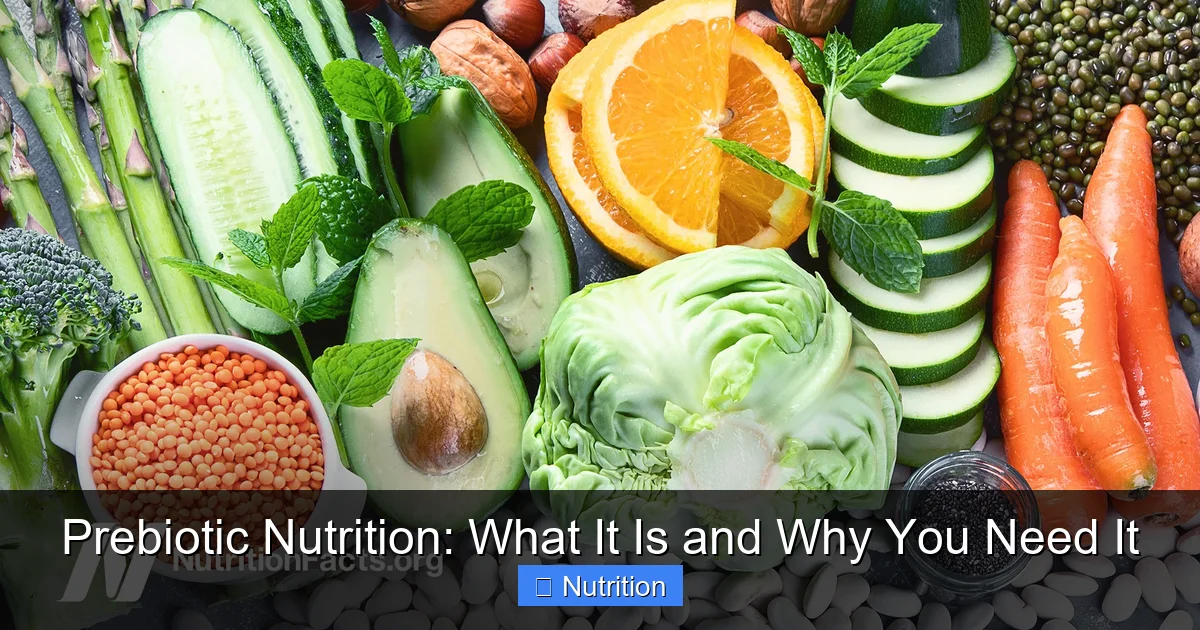
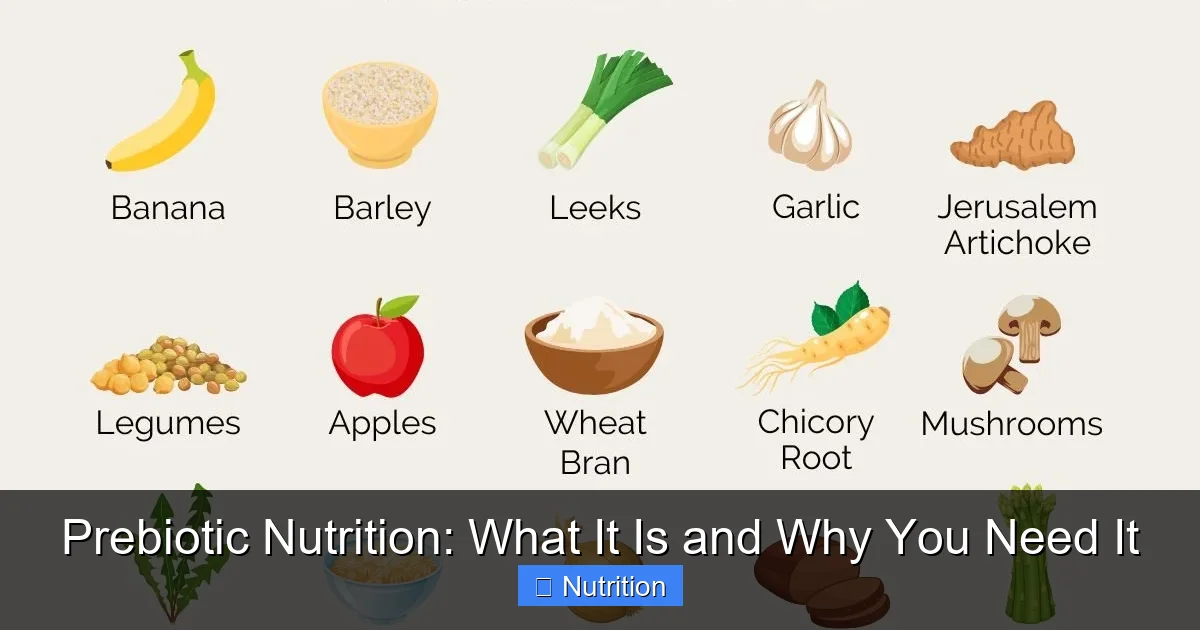
- Garlic: A powerhouse of inulin and FOS, not just for flavor but for your gut.
- Onions and Leeks: Excellent sources of FOS and inulin. Try them raw in salads or lightly cooked.
- Asparagus: Rich in inulin, especially the white spears.
- Bananas: Especially slightly under-ripe bananas, which contain resistant starch and FOS.
- Apples: Pectin, a type of fiber found in apples, acts as a prebiotic.
- Oats: Contain beta-glucan, a soluble fiber with prebiotic properties.
- Barley: Another grain rich in beta-glucan.
- Legumes (Beans, Lentils, Chickpeas): Packed with galactooligosaccharides (GOS) and resistant starch.
- Chicory Root: One of the richest sources of inulin, often used in supplements and processed foods.
- Dandelion Greens: A bitter green with a high inulin content.
- Artichokes (Globe and Jerusalem): Both are excellent sources of inulin.
- Flaxseeds: Contain mucilage and other fibers that act as prebiotics.
Aim for a diverse range of these foods to provide your gut bacteria with a wide array of fermentable substrates, promoting a more diverse and resilient microbiome. A diverse diet typically leads to a diverse microbiome, which is often associated with better health outcomes.
Considering Prebiotic Supplements
While food should always be your primary source of prebiotic nutrition, supplements can be a convenient option for some, especially if dietary intake is insufficient or if targeting specific prebiotic types (e.g., inulin, FOS, GOS). However, always approach supplements with caution:
- Consult a Healthcare Professional: Before starting any new supplement, particularly if you have underlying health conditions or are on medication.
- Choose Quality Products: Look for reputable brands that provide third-party testing and clear ingredient lists.
- Start Low, Go Slow: Introducing large amounts of prebiotics too quickly can lead to digestive discomfort (gas, bloating). Begin with a small dose and gradually increase it over several weeks.
Integrating Prebiotics into Your Daily Diet: Actionable Steps
Making prebiotic nutrition a consistent part of your lifestyle doesn’t have to be complicated. Small, consistent changes can yield significant results for your gut health.
Practical Tips for Boosting Your Prebiotic Intake
- Embrace Variety: Don’t stick to just one or two prebiotic foods. Different types of prebiotics feed different strains of beneficial bacteria, so a diverse diet supports a more robust microbiome.
- Prioritize Whole Foods: Processed foods often strip away beneficial fibers. Focus on consuming whole grains, fruits, vegetables, and legumes.
- Start Small and Increase Gradually: If you’re new to high-fiber foods, introducing too many prebiotics at once can cause gas and bloating. Begin with a small serving (e.g., half an onion in a stir-fry, a small handful of oats) and slowly increase your intake over a few weeks.
- Hydrate Adequately: As you increase your fiber intake, it’s crucial to drink plenty of water to help the fiber move smoothly through your digestive system and prevent constipation.
- Combine with Probiotic-Rich Foods: Pair your prebiotic-rich foods with fermented foods like yogurt, kefir, sauerkraut, kimchi, or tempeh to provide both the fertilizer and the beneficial bacteria.
- “Hack” Your Cooking: Add chopped garlic or onions to almost any savory dish. Sprinkle flaxseeds into smoothies or oatmeal. Roast asparagus or artichokes as a side dish.
Many health organizations recommend aiming for 25-30 grams of total fiber per day for adults. While there isn’t a specific RDI for prebiotics alone, consistently hitting your general fiber targets through diverse plant-based foods will naturally boost your prebiotic intake.
Sample Prebiotic-Rich Meal Ideas
- Breakfast: Overnight oats with sliced unripe banana, a sprinkle of flaxseeds, and a handful of berries.
- Lunch: A hearty lentil and vegetable soup (including carrots, celery, onions, garlic) served with a slice of whole-grain sourdough bread.
- Dinner: Baked salmon with roasted asparagus and a side of quinoa or barley.
- Snacks: Apple slices with a tablespoon of almond butter, a small handful of raw almonds, or a few whole-wheat crackers with hummus (made from chickpeas).
Prebiotic Nutrition: Addressing Common Questions and Concerns
As interest in gut health grows, so do the questions. Let’s tackle some common queries regarding prebiotic nutrition.
Prebiotics vs. Probiotics: What’s the Difference?
This is perhaps the most frequently asked question! To reiterate:
- Probiotics: These are live beneficial bacteria and yeasts (the “good guys”) that, when consumed in adequate amounts, confer a health benefit to the host. Think of them as the healthy residents you want living in your gut.
- Prebiotics: These are specific types of non-digestible fibers that act as “food” or “fertilizer” for those beneficial probiotic bacteria, helping them to grow and thrive. They are not living organisms themselves.
Both are vital for a healthy microbiome, and they work synergistically. You need the residents (probiotics) and their food source (prebiotics) for optimal gut health.
Are There Any Side Effects of Prebiotics?
For most healthy individuals, prebiotics are safe and well-tolerated. However, as mentioned earlier, rapid introduction or very large amounts can lead to temporary digestive discomfort such as:
- Gas
- Bloating
- Abdominal cramping
- Increased bowel movements
These symptoms are usually mild and subside as your gut adjusts. The key is to start with small portions and gradually increase your intake. If discomfort persists, reduce your intake or consult a healthcare professional.
How Much Prebiotic Do I Need?
Currently, there isn’t a universally established recommended daily allowance (RDA) specifically for prebiotics. However, dietary guidelines generally recommend a total daily fiber intake of around 25-38 grams for adults. A diet rich in a variety of fruits, vegetables, whole grains, and legumes will naturally provide a significant amount of prebiotics. Focusing on diversity and increasing your overall plant-food intake is more important than rigidly counting specific prebiotic grams.
Who Should Be Cautious About Prebiotic Intake?
While generally beneficial, certain individuals may need to be cautious or avoid high prebiotic intake:
- Individuals with SIBO (Small Intestinal Bacterial Overgrowth): Prebiotics can exacerbate symptoms by feeding bacteria that are overgrown in the small intestine.
- Those Following a Low-FODMAP Diet: Many prebiotic-rich foods are also high in FODMAPs (Fermentable Oligosaccharides, Disaccharides, Monosaccharides, and Polyols), which can trigger symptoms in sensitive individuals, particularly those with IBS.
- People with Specific Food Allergies or Intolerances: Always be aware of your personal triggers.
If you fall into these categories, it’s crucial to consult with a doctor, registered dietitian, or a qualified nutritionist who specializes in gut health before significantly increasing your prebiotic intake or trying supplements.
The Future of Your Gut: Embracing Prebiotic Nutrition
The journey to optimal health is often paved through understanding and nurturing the fundamental processes within our bodies. Prebiotic nutrition stands out as a cornerstone of this understanding, offering a straightforward yet profoundly impactful way to support our inner ecosystem.
By consciously choosing foods rich in prebiotics, you’re not just feeding yourself; you’re feeding the trillions of microscopic allies within your gut. This deliberate act of nourishment cultivates a thriving gut microbiome that, in turn, fortifies your digestion, supercharges your immune system, aids in metabolic regulation, and even brightens your mood. The science is increasingly clear: a healthy gut truly is the foundation of a healthy life.
So, take the actionable tips provided in this guide. Start slow, embrace variety, and commit to integrating more prebiotic-rich foods into your daily routine. Your gut, and your overall well-being, will undoubtedly thank you for it. Embrace the power of prebiotic nutrition and unlock a healthier, happier you from the inside out!
Frequently Asked Questions
What is Prebiotic Nutrition?
Prebiotic nutrition refers to the consumption of specific non-digestible fiber compounds that act as food for beneficial bacteria residing in your gut. These compounds pass through the upper digestive tract mostly intact until they reach the colon, where they are fermented by the gut microbiota. This process selectively stimulates the growth and activity of healthy gut bacteria.
How do Prebiotics Differ from Probiotics?
While both are essential for gut health, prebiotics and probiotics play distinct roles. Prebiotics are the “food” that nourishes beneficial bacteria already present in your gut, helping them to thrive and multiply. Probiotics, on the other hand, are live beneficial bacteria themselves, which you introduce to your digestive system through foods or supplements.
What are the Main Benefits of Incorporating Prebiotic Nutrition into My Diet?
Incorporating prebiotic nutrition offers numerous health advantages, primarily by promoting a balanced and diverse gut microbiome. Key benefits include improved digestion and bowel regularity, enhanced immune system function, better absorption of minerals like calcium, and even potential positive impacts on metabolism and mood regulation.
Which Foods are Good Sources of Prebiotics?
Many common plant-based foods are excellent sources of prebiotics. Some top examples include onions, garlic, leeks, asparagus, bananas, apples, oats, barley, chicory root, and Jerusalem artichokes. Including a variety of these foods in your diet can significantly boost your prebiotic intake.
How do Prebiotics Actually Work in My Gut?
Prebiotics work by selectively feeding beneficial bacteria in your large intestine. As these non-digestible fibers are fermented by the gut microbes, they produce short-chain fatty acids (SCFAs) like butyrate, acetate, and propionate. These SCFAs are crucial for nourishing the cells lining your gut, reducing inflammation, and contributing to overall systemic health benefits.
Are There Any Side Effects or Considerations for Prebiotic Nutrition?
Prebiotic nutrition is generally safe, but some individuals might experience mild digestive discomfort, such as increased gas or bloating, especially when first increasing their intake. It’s advisable to gradually introduce prebiotic-rich foods to allow your gut microbiome to adjust. If you have specific digestive conditions, consult with a healthcare professional.