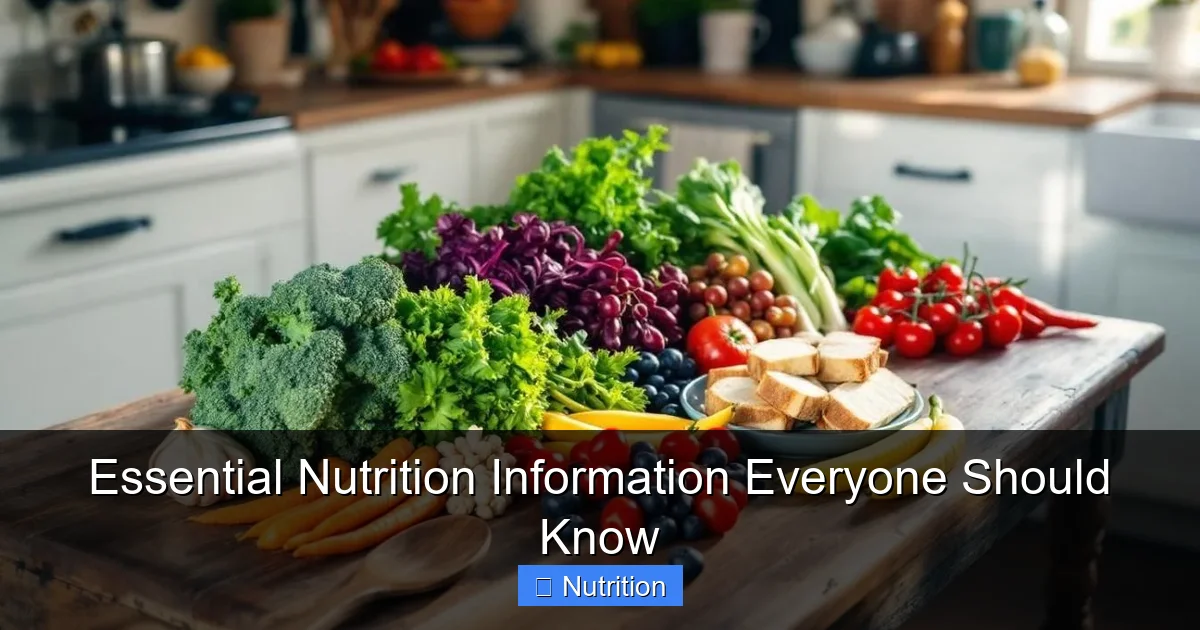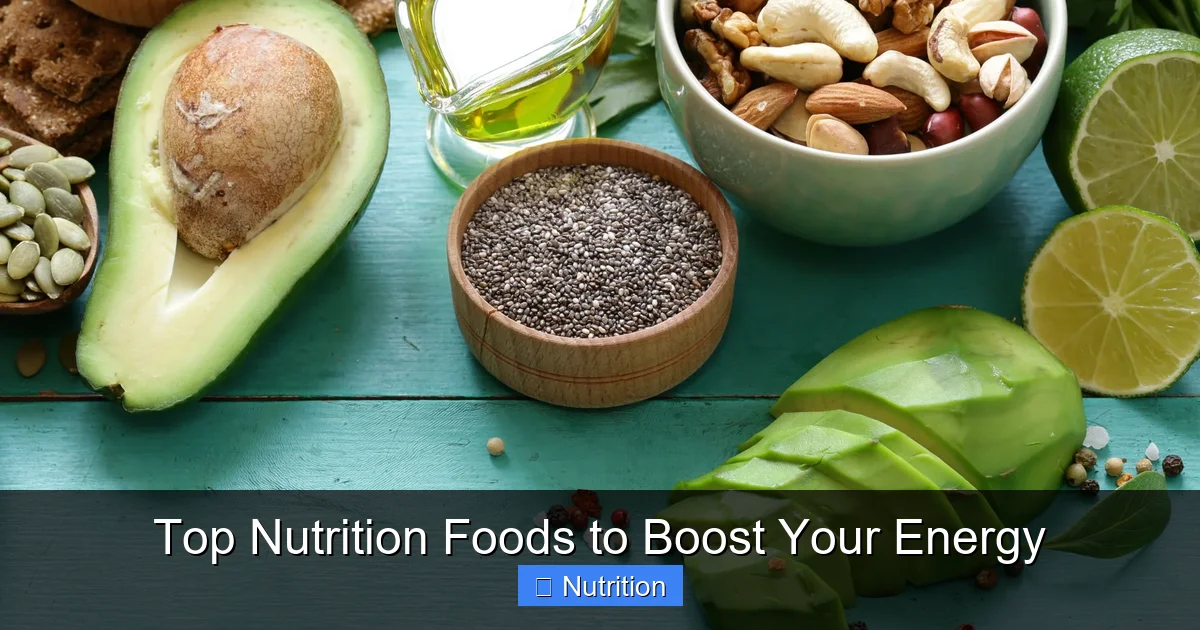
Featured image for this comprehensive guide about plant-based nutrition
Image source: media.giphy.com
Are you curious about a lifestyle that promises not just better health for you, but also a brighter future for our planet? Then you’ve landed on the right page! Welcome to the vibrant, nutrient-rich world of plant-based nutrition. Far from being a restrictive trend, adopting a plant-centric way of eating is a powerful movement backed by extensive scientific research, offering a bounty of benefits that extend well beyond your dinner plate.
In an age where health consciousness and environmental sustainability are at the forefront of global conversations, plant-based nutrition emerges as a compelling solution. It’s not just about cutting out meat; it’s about embracing an abundance of delicious, whole foods – fruits, vegetables, grains, legumes, nuts, and seeds – that nourish your body from the inside out. This comprehensive guide will explore the profound health advantages, environmental impact, and practical tips for incorporating more plant power into your daily life, proving that eating well can be both simple and incredibly rewarding.
Whether you’re a seasoned vegetarian, a curious flexitarian, or simply looking to add more plants to your diet, this post is packed with actionable insights and mouth-watering ideas to help you thrive. Get ready to discover how embracing plant-based nutrition can transform your well-being, inspire your culinary adventures, and contribute positively to the world around you.
Quick Answers to Common Questions
What exactly *is* plant-based nutrition?
Plant-based nutrition focuses on foods primarily from plants, including fruits, vegetables, grains, legumes, nuts, and seeds, while limiting or avoiding animal products. It emphasizes whole, unprocessed foods for optimal health and well-being.
A big concern for many is protein. Is it easy to get enough with plant-based nutrition?
Absolutely! Many plant foods like lentils, beans, tofu, nuts, and seeds are packed with protein. By eating a varied plant-based diet, you’ll easily meet your protein needs.
What are the biggest benefits of embracing plant-based nutrition?
Shifting to plant-based nutrition can boost your energy, improve heart health, aid in weight management, and provide a wealth of essential nutrients. You’ll likely feel great and support your long-term well-being.
What are some easy plant-based meals to start with?
Start with simple swaps! Try a hearty lentil soup, bean burritos, pasta with veggie sauce, or a colorful Buddha bowl loaded with grains and roasted vegetables for delicious plant-based nutrition. These are often quick and satisfying.
Do I have to go 100% vegan to benefit from plant-based nutrition?
Not at all! Even incorporating more plant-based meals into your week can offer significant health benefits. Plant-based nutrition is a flexible approach, so start by adding more plants and reducing animal products at your own pace.
📋 Table of Contents
Understanding Plant-Based Nutrition
Before diving into the myriad benefits, let’s clarify what we mean by plant-based nutrition. Often, people conflate “plant-based” with “vegan,” but while a vegan diet is always plant-based, a plant-based diet isn’t necessarily vegan. At its core, plant-based nutrition emphasizes foods derived from plants, with minimal or no animal products. It prioritizes whole, unprocessed foods like fruits, vegetables, whole grains, legumes, nuts, and seeds.
What Defines a Plant-Based Diet?
A plant-based diet focuses on:
| Nutrient/Component | Primary Plant-Based Sources | Typical Plant-Based Contribution/Value | Key Comparison/Benefit |
|---|---|---|---|
| Protein | Legumes (lentils, beans), Tofu, Tempeh, Seitan, Quinoa, Nuts, Seeds | Easily meets daily requirements; many complete protein sources. E.g., 1 cup cooked lentils: ~18g protein. | Comparable protein per serving to meat, often with lower saturated fat and higher fiber content. |
| Dietary Fiber | All whole plant foods: Fruits, Vegetables, Whole Grains, Legumes, Nuts, Seeds | Generally very high; often exceeds recommended daily intake (25-30g/day). | Animal products contain virtually no dietary fiber. Essential for digestive health, satiety, and blood sugar control. |
| Iron | Lentils, Spinach, Tofu, Fortified Cereals, Pumpkin Seeds | Non-heme iron. Absorption significantly enhanced by Vitamin C (e.g., bell peppers, citrus). | While less bioavailable than heme iron from meat, sufficient intake is achievable with proper food combining. |
| Vitamin B12 | Fortified Plant Milks, Fortified Cereals, Nutritional Yeast, Supplements | Crucial for nerve function and red blood cell formation. | Not naturally found in most plants; supplementation or consumption of fortified foods is essential for strict vegans. |
| Saturated Fat & Cholesterol | Generally low in most plant foods. Exceptions for saturated fat: coconut oil, palm oil. Zero cholesterol. | Significantly lower average saturated fat intake; zero dietary cholesterol. | Major advantage over typical omnivorous diets for cardiovascular health and reducing risk of heart disease. |
- Fruits and Vegetables: The cornerstone, offering vitamins, minerals, antioxidants, and fiber.
- Whole Grains: Oats, brown rice, quinoa, whole wheat, barley – providing sustained energy and fiber.
- Legumes: Beans, lentils, chickpeas – excellent sources of protein, fiber, and iron.
- Nuts and Seeds: Almonds, walnuts, chia seeds, flaxseeds – delivering healthy fats, protein, and micronutrients.
- Herbs and Spices: For flavor and additional antioxidant benefits.
While some interpretations of plant-based nutrition might include small amounts of animal products (like a flexitarian approach with occasional fish or dairy), the primary emphasis remains on plants. The goal is to maximize nutrient intake from plant sources, reducing reliance on processed foods and animal products.
Beyond Veganism: A Spectrum of Choices
It’s important to understand that plant-based nutrition is a spectrum, not a rigid set of rules. You can adopt it fully, semi-regularly, or just by incorporating more plant-forward meals. This flexibility makes it accessible and sustainable for many people. It’s about a dietary pattern that’s predominantly built around plants, promoting health and often, ethical and environmental considerations.
The Remarkable Health Benefits of Plant-Based Diets
The scientific community has increasingly recognized the profound health advantages associated with a commitment to plant-based nutrition. Numerous studies demonstrate how shifting away from animal products and towards a diet rich in fruits, vegetables, and whole grains can be a game-changer for long-term well-being. These benefits are not just marginal; they can significantly reduce the risk of chronic diseases and improve overall vitality.
Reduced Risk of Chronic Diseases
One of the most compelling reasons to embrace plant-based nutrition is its protective effect against some of the leading causes of morbidity and mortality worldwide. A well-planned plant-based diet is typically lower in saturated fat and cholesterol, and higher in fiber and antioxidants compared to diets rich in animal products. This nutritional profile contributes to:
- Heart Health: Studies have shown that individuals following plant-based diets have significantly lower rates of heart disease, lower cholesterol levels, and lower blood pressure. For instance, research published in the Journal of the American Heart Association indicated that a plant-rich diet could reduce the risk of heart disease by up to 16% and stroke by up to 32%.
- Type 2 Diabetes Prevention and Management: The high fiber content in plant foods helps regulate blood sugar levels, making plant-based nutrition an effective strategy for both preventing and managing type 2 diabetes. A meta-analysis of studies found that vegetarians and vegans have a significantly lower risk of developing type 2 diabetes.
- Certain Cancers: A diet rich in fruits, vegetables, and whole grains provides an abundance of antioxidants and phytochemicals that can help protect cells from damage and reduce cancer risk. The World Health Organization’s International Agency for Research on Cancer (IARC) recommends a diet high in plant foods for cancer prevention.
Weight Management and Digestion
For those looking to achieve or maintain a healthy weight, plant-based nutrition offers a sustainable solution. Plant foods are generally lower in calories and higher in fiber, which promotes satiety and aids in weight loss or maintenance. The fiber also supports a healthy digestive system, preventing constipation and nourishing beneficial gut bacteria, which is crucial for overall health and even mood regulation.
Increased Longevity and Energy Levels
Populations known for their longevity, such as those in the Blue Zones (regions where people live remarkably long, healthy lives), often have diets centered around whole, plant-based foods. Embracing plant-based nutrition can lead to increased energy levels, improved sleep quality, and a general sense of well-being, contributing to a longer, more vibrant life.
Plant-Based Eating: A Sustainable Choice for Our Planet
Beyond the personal health benefits, one of the most powerful arguments for adopting plant-based nutrition is its profound positive impact on the environment. The way we produce and consume food has significant ecological consequences, and shifting towards plant-centric diets is increasingly recognized as a vital step in addressing climate change and resource depletion.
Reducing Greenhouse Gas Emissions
Animal agriculture is a major contributor to greenhouse gas (GHG) emissions, including methane and nitrous oxide, which are far more potent than carbon dioxide. A 2018 study published in Science found that producing beef creates 60 times more greenhouse gases than peas. By reducing our consumption of animal products, particularly red meat, and embracing plant-based nutrition, we can significantly lower our carbon footprint. For example, a global shift to a plant-based diet could reduce food-related emissions by up to 70% by 2050, according to some models.
Conserving Land and Water Resources
Raising livestock is incredibly resource-intensive. It requires vast amounts of land for grazing and growing feed crops, leading to deforestation and habitat loss. For instance, approximately 80% of global agricultural land is used for livestock, yet it only produces 18% of the world’s calories. Similarly, animal agriculture is a huge consumer of fresh water. Producing just one pound of beef can require thousands of gallons of water, whereas plant-based proteins like lentils or beans require significantly less. Adopting plant-based nutrition frees up these precious resources, making food production more efficient and sustainable.
Minimizing Pollution and Promoting Biodiversity
The intensive farming practices associated with animal agriculture often lead to water pollution from animal waste, fertilizers, and pesticides. This runoff can create “dead zones” in aquatic ecosystems. Furthermore, the expansion of agricultural land for livestock production is a primary driver of biodiversity loss. By supporting plant-based nutrition, we can help reduce these forms of pollution and protect invaluable ecosystems and species.
Essential Nutrients on a Plant-Based Journey
A common concern for those considering plant-based nutrition is whether they will get all the necessary nutrients. The good news is that a well-planned plant-based diet can provide all the protein, vitamins, and minerals your body needs. The key is variety and awareness of specific nutrients that require a little extra attention.
Key Nutrients to Focus On
While most nutrients are abundant in a diverse plant-based diet, here are a few that often come up in discussions and how to ensure you’re getting enough:
- Protein: Many plant foods are rich in protein. Excellent sources include lentils, beans, chickpeas, tofu, tempeh, edamame, quinoa, nuts, seeds, and various whole grains. Combinations like rice and beans provide a complete amino acid profile, but eating a variety of plant proteins throughout the day is generally sufficient.
- Iron: Plant-based iron (non-heme iron) is found in lentils, spinach, kale, fortified cereals, tofu, cashews, and dark chocolate. To enhance absorption, pair iron-rich foods with vitamin C sources (e.g., bell peppers, oranges, berries).
- Calcium: Abundant in fortified plant milks (almond, soy, oat), tofu (calcium-set), collard greens, kale, broccoli, sesame seeds, and fortified orange juice.
- Vitamin B12: This is the only vitamin that is not reliably found in plant foods and requires supplementation or consumption of fortified foods (like some plant milks, nutritional yeast, and cereals). It’s crucial for nerve function and red blood cell formation.
- Omega-3 Fatty Acids: While fatty fish are known for omega-3s, plant-based sources include flaxseeds, chia seeds, hemp seeds, walnuts, and algal oil supplements (which provide EPA and DHA directly).
- Iodine: Found in sea vegetables (like nori or kelp, in moderation) and iodized salt.
- Zinc: Legumes, nuts, seeds, whole grains, and fortified cereals are good sources. Soaking and sprouting legumes and grains can improve zinc absorption.
Sample Plant-Based Nutrient Sources
Here’s a quick guide to some common plant-based sources for essential nutrients:
| Nutrient | Excellent Plant-Based Sources | Tips for Absorption/Sufficiency |
|---|---|---|
| Protein | Lentils, Beans, Tofu, Tempeh, Quinoa, Nuts, Seeds | Eat a variety daily; combine different sources. |
| Iron | Spinach, Lentils, Chickpeas, Tofu, Fortified Cereals | Pair with Vitamin C (citrus, bell peppers). |
| Calcium | Fortified Plant Milks, Tofu (calcium-set), Kale, Broccoli | Choose calcium-fortified products. |
| Vitamin B12 | Fortified Plant Milks, Nutritional Yeast, B12 Supplements | Essential to supplement or consume fortified foods. |
| Omega-3s | Flaxseeds, Chia Seeds, Walnuts, Algal Oil Supplements | Grind seeds for better absorption; consider algal oil. |
With careful planning and a focus on whole foods, a plant-based nutrition plan can be incredibly satisfying and nutritionally complete for all stages of life, from childhood to senior years.
Delicious & Easy Plant-Based Meal Ideas
One of the most exciting aspects of embracing plant-based nutrition is the endless culinary possibilities it opens up. Forget bland and boring; plant-based meals are vibrant, flavorful, and incredibly diverse. Here are some ideas to inspire your kitchen adventures, proving that eating plants can be both easy and utterly delicious.
Breakfast: Start Your Day the Plant-Based Way
Beginning your day with a nutritious plant-based meal sets a positive tone for your entire day.
- Overnight Oats or Chia Pudding: Mix rolled oats or chia seeds with plant milk, a spoonful of plant-based protein powder (optional), fruit, and nuts/seeds. Prepare the night before for a grab-and-go breakfast.
- Tofu Scramble: Crumbled firm tofu seasoned with turmeric (for color), black salt (kala namak for eggy flavor), nutritional yeast, and veggies like spinach, mushrooms, and bell peppers. Serve with whole-grain toast and avocado.
- Smoothie Bowls: Blend frozen fruit (berries, banana, mango) with plant milk and a handful of spinach. Top with granola, fresh fruit, coconut flakes, and a drizzle of nut butter.
Lunch: Energize with Plant Power
Midday meals should be satisfying and provide sustained energy without the post-lunch slump.
- Hearty Lentil Soup or Chili: A batch-cooked soup or chili packed with lentils, beans, vegetables, and warming spices is perfect for meal prep. Serve with whole-grain bread.
- Buddha Bowls: A customizable masterpiece! Combine a base of whole grains (quinoa, brown rice), a protein source (roasted chickpeas, baked tofu), a variety of colorful raw or roasted vegetables, and a delicious plant-based dressing (tahini-lemon, peanut sauce).
- Hummus and Veggie Wraps/Sandwiches: Spread whole-wheat tortillas or bread with hummus, then layer with crisp lettuce, grated carrots, cucumber, bell peppers, and maybe some sun-dried tomatoes or olives.
Dinner: Flavorful & Filling Plant-Based Feasts
Dinner can be an opportunity to explore global flavors and comforting classics, all plant-based.
- Curried Chickpea and Spinach: A quick and flavorful dish. Sauté onions, garlic, and ginger, add chickpeas, spinach, diced tomatoes, and curry powder/paste. Serve with brown rice or naan.
- Black Bean Burgers: Homemade black bean patties are surprisingly easy and delicious. Serve on whole-wheat buns with all your favorite toppings like lettuce, tomato, onion, pickles, and a vegan aioli.
- Pasta with Roasted Vegetables: Toss your favorite pasta with olive oil, garlic, and a medley of roasted vegetables (broccoli, zucchini, cherry tomatoes, bell peppers). Sprinkle with nutritional yeast for a cheesy flavor.
- Sheet Pan Fajitas: Slice bell peppers and onions, add sliced firm tofu or tempeh, toss with fajita seasoning and a little oil, then roast on a sheet pan until tender and slightly charred. Serve with warm tortillas and guacamole.
Snacks: Smart Plant-Based Bites
Keep your energy up between meals with these healthy options.
- Fresh fruit with a handful of almonds or walnuts.
- Vegetable sticks (carrots, celery, bell peppers) with hummus.
- Edamame (steamed or roasted).
- Rice cakes with avocado and everything bagel seasoning.
Embracing plant-based nutrition means enjoying food that is both incredibly satisfying and deeply nourishing. Don’t be afraid to experiment with new ingredients and recipes!
Making the Transition to a Plant-Based Lifestyle
Deciding to adopt plant-based nutrition is a fantastic step towards a healthier, more sustainable life. However, making the transition can feel daunting. The good news is that it doesn’t have to be an overnight overhaul. A gradual, mindful approach is often the most successful way to integrate more plants into your diet and establish lasting habits.
Start Small and Build Up
You don’t need to go 100% plant-based immediately. Even small changes can make a big difference.
- Meatless Mondays: Dedicate one day a week to completely plant-based meals. This is a popular and easy starting point to experiment with new recipes and ingredients.
- One Plant-Based Meal a Day: Try making your breakfast or lunch consistently plant-based. An oat bowl in the morning or a hearty salad/soup for lunch are great options.
- Focus on Addition, Not Subtraction: Instead of dwelling on what you’re “giving up,” focus on the exciting new foods you’re adding. Explore new fruits, vegetables, grains, and legumes.
Educate Yourself and Plan Ahead
Knowledge is power, especially when it comes to nutrition. Understanding what nutrients you need and where to find them in plant foods is crucial for a healthy transition.
- Learn About Plant Proteins: Familiarize yourself with excellent plant-based protein sources like beans, lentils, tofu, tempeh, seitan, quinoa, nuts, and seeds.
- Meal Prep: Dedicate some time each week to planning your meals and prepping ingredients. This can include cooking a batch of grains, chopping vegetables, or making a big pot of soup or chili. This prevents reliance on less healthy, convenient options.
- Read Labels: When buying packaged foods, check ingredients for hidden animal products (e.g., dairy in bread, gelatin in sweets). Look for “vegan” or “plant-based” certifications if needed.
Experiment and Embrace New Flavors
The world of plant-based nutrition is incredibly diverse and flavorful. Don’t be afraid to try new things!
- Explore Cuisines: Many traditional cuisines from around the world are inherently plant-based or easily adaptable (e.g., Indian, Ethiopian, Mediterranean, Mexican, Thai).
- Utilize Herbs and Spices: Plants are fantastic vehicles for flavor. Stock your pantry with a wide array of herbs and spices to elevate your dishes.
- Find Plant-Based Swaps: Nowadays, there are many excellent plant-based alternatives for milk, yogurt, cheese, and even meat. While focusing on whole foods is ideal, these can be helpful during transition.
Seek Support and Be Patient
Transitioning to a new way of eating can have its challenges, but you don’t have to do it alone.
- Join Communities: Online forums, social media groups, or local meetups for plant-based eaters can provide inspiration, tips, and support.
- Consult a Professional: If you have specific health concerns or are unsure about meeting your nutritional needs, consider consulting a registered dietitian who specializes in plant-based diets.
- Be Kind to Yourself: It’s a journey, not a race. There might be days you slip up, and that’s perfectly normal. Focus on progress, not perfection, and enjoy the process of discovering new foods and feeling great!
By taking these steps, you can successfully and joyfully integrate the principles of plant-based nutrition into your life, reaping its abundant rewards.
Conclusion
As we’ve explored, embracing plant-based nutrition is more than just a dietary choice; it’s a holistic approach to living that profoundly benefits your health, supports animal welfare, and contributes to a more sustainable planet. From reducing your risk of chronic diseases and enhancing your overall well-being to significantly lessening your environmental footprint, the advantages of a plant-centric diet are compelling and far-reaching.
The journey into plant-based nutrition is an exciting one, full of delicious discoveries and empowering knowledge. It invites you to explore a vibrant world of fruits, vegetables, grains, legumes, nuts, and seeds, transforming your plate into a colorful canvas of nourishment. Remember, you don’t need to become an overnight expert or adhere to strict rules; every plant-forward meal you choose is a step in the right direction.
We hope this comprehensive guide has equipped you with the information, inspiration, and actionable tips you need to confidently incorporate more plant-based nutrition into your life. So, take that first step, experiment with new recipes, savor the flavors, and enjoy the remarkable benefits that await you on this rewarding path to better health and a brighter future for all.
Frequently Asked Questions
What exactly is plant-based nutrition?
Plant-based nutrition emphasizes foods derived from plants, including vegetables, fruits, whole grains, legumes, nuts, and seeds. While it can be fully vegan, it often means prioritizing these foods and minimizing or occasionally including animal products.
What are the health benefits of plant-based nutrition?
Adopting a plant-based nutrition approach can significantly improve overall health, including a reduced risk of heart disease, type 2 diabetes, certain cancers, and obesity. It often leads to increased fiber intake and a greater consumption of vitamins, minerals, and antioxidants.
Can I get enough protein on a plant-based diet?
Absolutely! Many plant foods are excellent sources of protein, such as lentils, chickpeas, black beans, tofu, tempeh, edamame, nuts, and seeds. By eating a variety of plant-based foods throughout the day, you can easily meet your protein requirements.
How do I start incorporating more plant-based meals into my diet?
Begin by making small, manageable changes, like trying one meatless meal per day or week, or swapping out animal proteins for plant-based alternatives in your favorite recipes. Experiment with new fruits, vegetables, and grains to expand your palate and find enjoyable options.
What about important nutrients like Vitamin B12, iron, and calcium in plant-based nutrition?
For Vitamin B12, supplementation or fortified foods are essential, as it’s not found reliably in plant foods. Iron and calcium are readily available in various plant sources like leafy greens, fortified plant milks, and legumes, but focus on nutrient-dense choices and absorption-boosting practices.
Is plant-based nutrition suitable for children, pregnant women, or athletes?
Yes, with proper planning and attention to nutrient needs, plant-based nutrition can be healthy and sustainable for all life stages, including children, pregnant or breastfeeding women, and athletes. Consulting with a healthcare professional or registered dietitian specializing in plant-based diets can ensure all nutritional requirements are met.