Featured image for this comprehensive guide about mental health
Image source: assets.qwikresume.com
In a world that constantly demands our attention, energy, and resilience, it’s easy to overlook an essential component of our overall well-being: our mental health. Just as we prioritize physical fitness, nutrition, and regular check-ups for our bodies, cultivating a healthy mind is equally, if not more, crucial for a fulfilling and productive life. Yet, discussions around mental health often remain shrouded in silence, misconceptions, and a lingering stigma that prevents many from seeking the support they need.
But times are changing. There’s a growing global recognition that mental health isn’t merely the absence of mental illness; it’s a state of well-being where an individual can realize their own abilities, cope with the normal stresses of life, work productively, and contribute to their community. It affects how we think, feel, and act. It also helps determine how we handle stress, relate to others, and make choices. From childhood and adolescence through adulthood, our mental health is dynamic and constantly evolving, influenced by a myriad of factors from our biology to our environment.
This comprehensive guide aims to shed light on the multifaceted landscape of mental health. We’ll explore what it truly means, delve into common challenges, understand why its prioritization is non-negotiable, and equip you with actionable strategies to nurture your emotional and psychological well-being. More importantly, we hope to foster an open dialogue, dismantle the existing stigma, and empower everyone to take proactive steps towards a healthier, happier mind.
Quick Answers to Common Questions
What exactly is mental health?
It’s about your emotional, psychological, and social well-being – essentially, how you think, feel, and act. Good mental health allows you to cope with life’s stresses, work productively, and connect with others.
Is it normal to struggle with my mental health sometimes?
Absolutely! Just like physical health, everyone experiences ups and downs with their mental health. It’s a normal part of being human to face challenges that impact your emotional state.
What’s one simple thing I can do *today* to support my mental health?
Try taking a few minutes for deep breathing or a short walk outdoors; even small breaks can make a big difference for your overall mental health. Connecting with a friend or loved one is also a fantastic step.
When should I really start worrying about my mental health and seek help?
If your struggles become persistent, significantly affect your daily life, or if you feel overwhelmed, it’s a good sign to reach out. Don’t hesitate to seek support for your mental health when things feel too heavy to manage alone.
Is talking about mental health important?
Yes, incredibly so! Openly discussing mental health helps reduce stigma, encourages others to seek help, and builds a more understanding and supportive community for everyone’s well-being.
📋 Table of Contents
- What Exactly is Mental Health? Defining a Crucial Concept
- The Common Challenges: Understanding Mental Health Conditions
- Why Prioritizing Mental Health is Crucial
- Practical Strategies for Nurturing Your Mental Health
- When to Seek Professional Help and Where to Find It
- Breaking the Stigma: Creating a Supportive Environment
- Conclusion: A Continuous Journey Towards Mental Well-being
What Exactly is Mental Health? Defining a Crucial Concept
Often, when people hear the term "mental health," their minds immediately jump to "mental illness." While mental illness is a component of the broader concept, it does not define it entirely. Think of it like physical health: you can be physically healthy without necessarily having a chronic disease, and you can manage a chronic condition while still striving for optimal physical wellness. Similarly, mental health encompasses a spectrum of emotional, psychological, and social well-being.
Learn more about mental health – Understanding Mental Health and Why It Matters
Image source: assets.qwikresume.com
The World Health Organization (WHO) defines mental health as "a state of well-being in which an individual realizes his or her own abilities, can cope with the normal stresses of life, can work productively and fruitfully, and is able to make a contribution to his or her community." This definition highlights several key aspects:
| Mental Health Aspect | Global Prevalence/Scope | Key Statistic/Impact |
|---|---|---|
| **Anxiety Disorders** | ~280 million people worldwide | Affects 19.1% of U.S. adults annually. |
| **Depression** | ~280 million people worldwide | Leading cause of disability globally. |
| **Suicide** | Over 700,000 deaths annually | 4th leading cause of death among 15-29 year olds. |
| **Youth Mental Health** | 1 in 6 young people (6-17) | 50% of all mental illnesses begin by age 14. |
| **Treatment Gap** | Significant in low-income countries | 76% to 85% of people with mental disorders receive no treatment. |
- Self-Awareness and Self-Realization: Understanding one’s strengths, weaknesses, and potential.
- Resilience to Stress: The ability to bounce back from adversity and adapt to life’s inevitable challenges.
- Productivity and Engagement: The capacity to engage in meaningful work, hobbies, and activities.
- Social Contribution: The ability to form healthy relationships and positively interact with one’s community.
The Spectrum of Mental Well-being
It’s crucial to understand that mental health is not a static state. We all experience fluctuations in our mood, stress levels, and emotional resilience. Factors such as life changes, relationships, work pressures, financial concerns, and physical health can all impact our mental health at different times. This spectrum ranges from thriving and flourishing to struggling and experiencing severe distress. Recognizing where you are on this spectrum is the first step towards maintaining or improving your psychological well-being.
The Common Challenges: Understanding Mental Health Conditions
While everyone experiences fluctuations in their mental health, some individuals develop specific conditions that significantly impair their daily functioning, relationships, and overall quality of life. These are known as mental health conditions or mental illnesses. It’s important to remember that these are not signs of weakness or character flaws, but rather complex conditions often influenced by a combination of genetics, brain chemistry, life experiences, and environmental factors.

Learn more about mental health – Understanding Mental Health and Why It Matters
Image source: highcliffe.school
According to the National Alliance on Mental Illness (NAMI), approximately 1 in 5 adults in the U.S. — over 50 million people — experience mental illness in a given year. Globally, the WHO estimates that one in eight people live with a mental disorder.
Prevalent Mental Health Conditions
While there are many types of mental health conditions, some are more commonly diagnosed:
- Anxiety Disorders: Characterized by excessive worry, fear, and apprehension. This category includes Generalized Anxiety Disorder (GAD), Panic Disorder, Social Anxiety Disorder, and phobias.
- Depression (Major Depressive Disorder): Persistent feelings of sadness, loss of interest or pleasure in activities, changes in appetite or sleep, fatigue, and feelings of worthlessness or guilt.
- Bipolar Disorder: Marked by extreme mood swings that include emotional highs (mania or hypomania) and lows (depression).
- Schizophrenia: A severe mental disorder in which people interpret reality abnormally, often involving hallucinations, delusions, and disordered thinking and behavior.
- Post-Traumatic Stress Disorder (PTSD): Develops in some people who have experienced a shocking, scary, or dangerous event, leading to flashbacks, nightmares, severe anxiety, and uncontrollable thoughts about the event.
- Obsessive-Compulsive Disorder (OCD): Characterized by unwanted, intrusive thoughts (obsessions) and repetitive behaviors (compulsions) performed to reduce anxiety.
- Eating Disorders: Serious conditions related to persistent eating behaviors that negatively impact health, emotions, and ability to function in important areas of life (e.g., Anorexia Nervosa, Bulimia Nervosa, Binge-Eating Disorder).
Understanding these conditions is vital for destigmatizing them and encouraging those affected to seek help. Many mental health conditions are treatable, allowing individuals to lead fulfilling lives with appropriate support and care.
Why Prioritizing Mental Health is Crucial
The impact of our mental health extends far beyond our emotional state. It profoundly influences every aspect of our lives, from our physical well-being to our relationships, career, and overall sense of purpose. Neglecting mental health can have severe, cascading consequences.
The Interconnectedness of Mind and Body
The brain is an organ, just like the heart or lungs. It’s no surprise, then, that there’s a strong bidirectional link between our physical and mental health. Chronic stress, anxiety, and depression can manifest physically, leading to:
- Increased risk of heart disease and stroke.
- Weakened immune system, making one more susceptible to illness.
- Digestive problems (e.g., irritable bowel syndrome).
- Chronic pain and headaches.
- Sleep disturbances.
Conversely, physical health issues can significantly impact mental health. Chronic illnesses, disabilities, or injuries can lead to feelings of sadness, frustration, and isolation, potentially triggering or exacerbating depression and anxiety. This interplay underscores the importance of a holistic approach to well-being.
Impact on Relationships and Social Connections
Our capacity for healthy relationships is deeply tied to our mental health. When we’re struggling, it can be challenging to communicate effectively, empathize with others, or even maintain social connections. Depression can lead to withdrawal, anxiety can make social interactions daunting, and other conditions can impact trust and intimacy. Strong social connections, on the other hand, are a powerful protective factor for mental health, offering support, a sense of belonging, and reducing feelings of loneliness.
Productivity, Career, and Life Satisfaction
Poor mental health can severely impair concentration, decision-making, motivation, and energy levels, all of which are critical for academic and professional success. This can lead to decreased productivity, difficulty retaining employment, and a general lack of satisfaction with life’s achievements. Prioritizing mental health, conversely, enhances resilience, creativity, and problem-solving skills, leading to greater fulfillment in all areas of life.
Societal and Economic Burden
The global economic cost of mental health conditions is staggering. The WHO estimates that depression and anxiety alone cost the global economy US$ 1 trillion each year in lost productivity. Beyond economics, there’s the profound human cost of suffering, disability, and reduced quality of life, underscoring the collective responsibility to address this critical issue.
Practical Strategies for Nurturing Your Mental Health
Taking proactive steps to care for your mental health doesn’t require grand gestures; often, it’s the consistent practice of small, healthy habits that makes the most significant difference. Here are actionable strategies you can integrate into your daily life:
Mindfulness and Meditation
Cultivating mindfulness involves paying attention to the present moment without judgment. This practice can reduce stress, improve emotional regulation, and enhance overall well-being. Even a few minutes a day of guided meditation or focused breathing can make a difference.
- Try a "Body Scan": Lie down and bring your attention to different parts of your body, noticing any sensations without judgment.
- Practice Mindful Breathing: Focus on the sensation of your breath entering and leaving your body. When your mind wanders, gently bring it back to your breath.
- Engage in Mindful Activities: Whether eating, walking, or washing dishes, try to fully immerse yourself in the experience, noticing sights, sounds, smells, and textures.
Physical Activity and Nutrition
What’s good for your body is good for your brain. Regular exercise releases endorphins, natural mood lifters, and can reduce symptoms of depression and anxiety. Aim for at least 30 minutes of moderate activity most days of the week.
Similarly, a balanced diet rich in fruits, vegetables, whole grains, and lean proteins supports brain function and energy levels. Limit processed foods, excessive sugar, and caffeine, which can negatively impact mood and sleep.
Prioritizing Quality Sleep
Sleep is fundamental for cognitive function, emotional regulation, and physical repair. Chronic sleep deprivation can exacerbate stress, anxiety, and irritability. Aim for 7-9 hours of quality sleep per night. Establish a consistent sleep schedule, create a relaxing bedtime routine, and optimize your sleep environment.
Building and Maintaining Social Connections
Humans are social beings. Nurturing meaningful relationships provides a sense of belonging, support, and reduces feelings of loneliness. Make time for friends and family, join clubs or groups that align with your interests, and consider volunteering to connect with your community.
Setting Boundaries and Managing Stress
Learning to say no, delegating tasks, and setting realistic expectations are crucial for protecting your energy and preventing burnout. Identify your stressors and develop healthy coping mechanisms, such as journaling, spending time in nature, or engaging in hobbies.
Practicing Gratitude and Self-Compassion
Regularly acknowledging things you’re grateful for can shift your perspective and boost positive emotions. Similarly, treating yourself with the same kindness and understanding you would offer a friend, especially during difficult times, is vital for maintaining robust mental health.
When to Seek Professional Help and Where to Find It
While self-care strategies are invaluable, there are times when professional support is necessary and highly beneficial. Recognizing the signs that you might need professional help is a critical step towards recovery and improved mental health.
Signs You Might Need Professional Support
Consider seeking professional help if you experience any of the following:
- Persistent Sadness or Irritability: Feelings that last for more than a few weeks and interfere with daily life.
- Significant Changes in Sleep or Appetite: Insomnia, oversleeping, dramatic weight loss or gain.
- Loss of Interest: No longer enjoying activities you once loved.
- Withdrawal from Social Activities: Isolating yourself from friends and family.
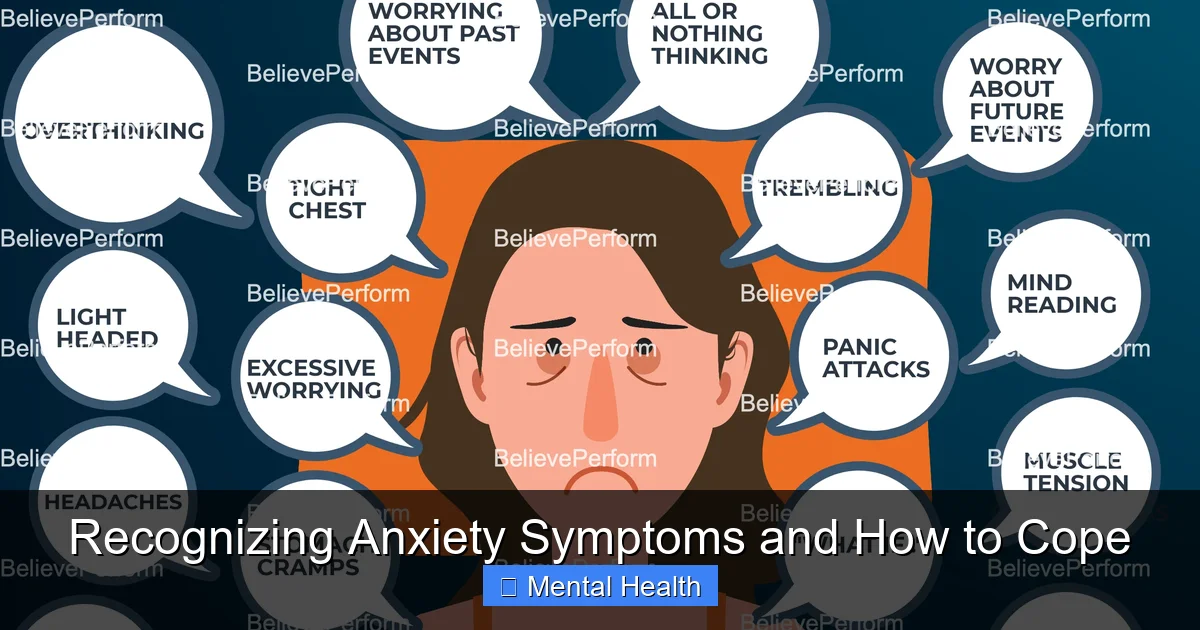
- Increased Anxiety or Panic Attacks: Overwhelming worry, fear, or physical symptoms like a racing heart and shortness of breath.
- Difficulty Concentrating: Struggling with focus, memory, or decision-making.
- Unusual Thoughts or Behaviors: Hallucinations, delusions, or engaging in risky activities.
- Thoughts of Self-Harm or Suicide: This is an emergency. Seek immediate help.
- Impaired Functioning: Your symptoms are making it hard to go to work or school, or maintain relationships.
Types of Professional Help for Mental Health
Various professionals can provide support for mental health concerns:
- Therapists/Counselors/Psychologists: These professionals provide "talk therapy" (psychotherapy). They help individuals explore thoughts, emotions, and behaviors, develop coping strategies, and work through past traumas. Common therapeutic approaches include Cognitive Behavioral Therapy (CBT), Dialectical Behavior Therapy (DBT), and psychodynamic therapy.
- Psychiatrists: Medical doctors who specialize in mental health. They can diagnose mental health conditions, prescribe medication, and provide ongoing management of symptoms. Some psychiatrists also offer psychotherapy.
- Social Workers: Often provide counseling and connect individuals to community resources and support systems.
- Support Groups: Peer-led groups where individuals with similar experiences can share, learn, and offer mutual support.
Finding the Right Support
Finding the right professional can take time, but it’s worth the effort. Here are some avenues:
- Primary Care Physician: Your family doctor can be a great first point of contact, offering initial assessments, referrals, and sometimes basic medication management.
- Employee Assistance Programs (EAPs): Many workplaces offer EAP services, providing free, confidential counseling sessions and referrals.
- Insurance Provider: Check your insurance network for covered mental health professionals.
- Online Directories: Websites like Psychology Today, GoodTherapy, and the American Psychiatric Association offer searchable databases of therapists and psychiatrists.
- Community Mental Health Centers: Often provide affordable services, especially for those with limited resources.
- Crisis Hotlines: For immediate support in an emergency (e.g., National Suicide Prevention Lifeline, Crisis Text Line).
Remember, seeking help is a sign of strength, not weakness. It’s an investment in your well-being and a testament to your resilience.
Breaking the Stigma: Creating a Supportive Environment
Despite increased awareness, the stigma surrounding mental health remains a significant barrier to individuals seeking help and receiving compassionate support. Stigma can manifest as prejudice, discrimination, and negative stereotypes, leading to shame, isolation, and reluctance to disclose struggles.
The Impact of Stigma
Stigma can:
- Prevent individuals from talking about their feelings or seeking professional help.
- Lead to self-stigma, where individuals internalize negative stereotypes and feel ashamed.
- Result in discrimination in employment, housing, and social interactions.
- Create a culture of silence where mental health issues are ignored or downplayed.
How We Can Break the Stigma
Breaking down the stigma requires a collective effort from individuals, communities, and society at large.
- Talk Openly About Mental Health: Share your experiences (if comfortable), listen to others without judgment, and normalize conversations about emotional well-being.
- Educate Yourself and Others: Learn the facts about mental health conditions to dispel myths and misconceptions.
- Use Mindful Language: Avoid derogatory terms or labels (e.g., "crazy," "insane"). Refer to people with "a mental health condition" rather than "being mentally ill."
- Challenge Discriminatory Behavior: Speak up when you hear stigmatizing comments or witness discrimination.
- Be an Ally: Offer support, empathy, and understanding to those struggling with their mental health. Let them know they are not alone.
- Advocate for Change: Support policies and initiatives that promote mental health awareness, accessibility to care, and non-discrimination.
Data on Mental Health in the Workplace (Example Table)
Workplaces are key environments where stigma can thrive or be dismantled. Promoting good mental health benefits both employees and organizations.
| Metric | Estimated Impact | Source (Example) |
|---|---|---|
| Annual global cost of depression and anxiety in lost productivity | US$ 1 trillion | WHO |
| Percentage of employees who have left a job due to mental health reasons | 50% (Millennials), 75% (Gen Z) | Mind Share Partners |
| Employees experiencing at least one symptom of a mental health condition | 70% | National Safety Council |
| Increased risk of workplace accidents due to mental illness | ~2-3 times higher | Various occupational health studies |
These statistics underscore the urgent need for employers and colleagues to create supportive environments where mental health is openly discussed, respected, and supported. By working together, we can foster a culture of understanding and compassion, making it easier for everyone to prioritize their mental health.
Conclusion: A Continuous Journey Towards Mental Well-being
Understanding and prioritizing mental health is not a destination but a lifelong journey. It’s about continuously learning, adapting, and nurturing our emotional and psychological well-being through life’s inevitable ups and downs. Just like our physical health, our mental health requires ongoing attention, care, and sometimes, professional intervention.
We’ve explored what mental health truly means, shed light on common conditions, highlighted its profound impact on every facet of our lives, and provided practical strategies for self-care. Crucially, we’ve emphasized the vital role of seeking professional help when needed and the collective responsibility we share in dismantling the pervasive stigma that still surrounds mental health.
Remember, you are not alone in your journey. Millions worldwide experience similar struggles, and countless resources are available to provide support, guidance, and treatment. By embracing open dialogue, fostering empathy, and taking proactive steps for our own minds, we can collectively build a more understanding, compassionate, and mentally healthy society for all. Let’s commit to making mental health a priority, not just for ourselves, but for our communities and future generations.
Frequently Asked Questions
What exactly is mental health?
Mental health encompasses our emotional, psychological, and social well-being. It affects how we think, feel, and act, playing a crucial role in our ability to handle stress, relate to others, and make healthy choices throughout life.
Why is understanding mental health important for everyone?
Understanding mental health is vital because it impacts every aspect of our lives, from personal relationships to work performance and overall happiness. Recognizing its importance helps us foster resilience, cope with life’s challenges, and build supportive communities for ourselves and others.
What are common signs that someone might be struggling with their mental health?
Signs can vary but often include prolonged sadness, significant changes in sleep or appetite, withdrawal from social activities, increased irritability, or persistent feelings of anxiety or hopelessness. If these symptoms disrupt daily life, they may indicate a need for attention.
How can I proactively improve my mental health and well-being?
Proactively improving your mental health involves engaging in self-care practices like regular exercise, maintaining a balanced diet, ensuring adequate sleep, and connecting with supportive friends and family. Practicing mindfulness and setting healthy boundaries can also significantly contribute to overall well-being.
When should I consider seeking professional help for mental health concerns?
You should consider seeking professional help if your mental health symptoms are persistent, significantly interfere with your daily life, or cause you distress. A therapist, counselor, or doctor can provide effective strategies, diagnoses, and treatment options to help you navigate challenges.
Is there a stigma surrounding mental health, and how can we reduce it?
Yes, stigma around mental health is common and can prevent individuals from seeking necessary help. We can reduce stigma by educating ourselves and others, speaking openly about mental health experiences, and advocating for compassionate support and understanding in our communities.