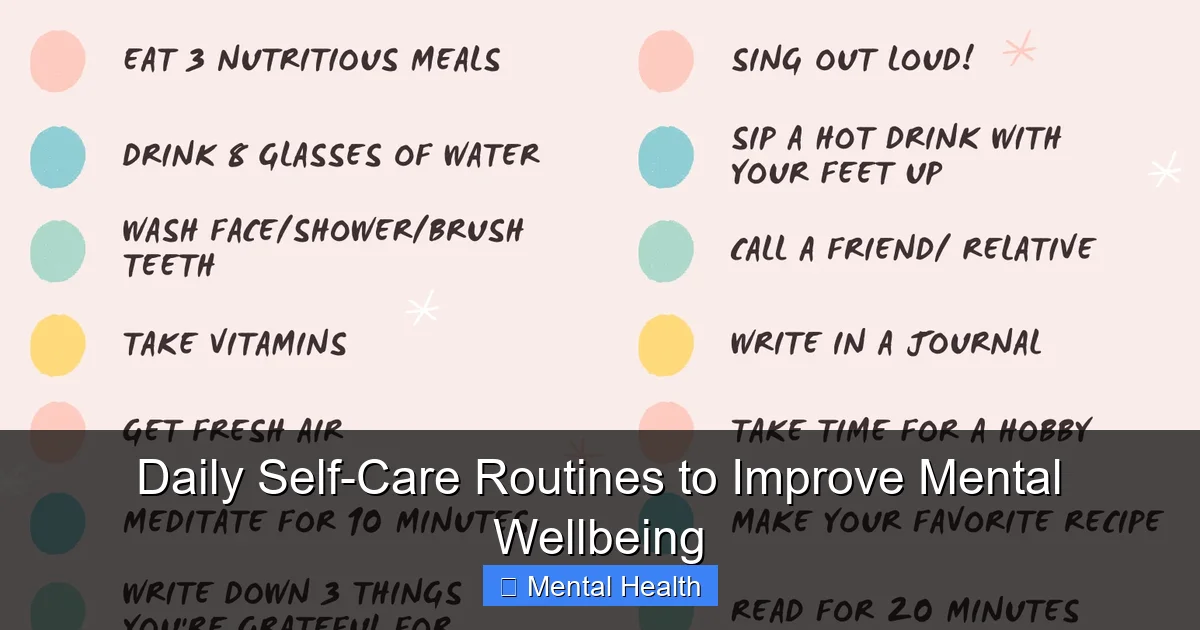
Featured image for this comprehensive guide about self-care routines
Image source: i.pinimg.com
Daily Self-Care Routines to Improve Mental Wellbeing
In our fast-paced, always-on world, it’s increasingly common to feel overwhelmed, stretched thin, and disconnected from our inner selves. The demands of work, family, social obligations, and constant digital stimulation can leave us feeling depleted, anxious, and struggling with our mental health. It’s in this challenging landscape that the concept of self-care routines emerges not as a luxury, but as an essential survival strategy for thriving in modern life.
Often misunderstood as an indulgent spa day or a frivolous treat, true self-care is a deliberate and mindful practice of tending to your physical, mental, emotional, social, and spiritual needs. It’s about proactively building habits that nourish your well-being, equipping you with the resilience to navigate life’s inevitable stressors. This isn’t just about feeling good in the moment; it’s about establishing sustainable daily self-care practices that contribute to long-term mental wellbeing, preventing burnout, and fostering a healthier, more balanced life.
This comprehensive guide will delve deep into the world of self-care routines, offering actionable tips and practical strategies to integrate these vital practices into your everyday existence. We’ll explore how to craft morning rituals that set a positive tone, weave micro-moments of care into your busy day, and establish evening practices that promote restorative rest. Get ready to embark on a journey that prioritizes your peace, energy, and overall happiness.
Quick Answers to Common Questions
What exactly are “self-care routines”?
They are intentional practices you integrate into your daily life to nurture your physical, emotional, and mental health. Think of them as small, consistent actions that prioritize your wellbeing and prevent burnout.
Why should I bother with daily self-care routines?
Engaging in regular self-care routines helps reduce stress, prevent burnout, and significantly boosts your overall mental and emotional resilience. It’s a proactive way to support your mental wellbeing and overall happiness.
I’m busy; do self-care routines take a lot of time?
Not at all! Effective self-care routines can be as short as 5-10 minutes a day. The key is consistency, not duration, so even small moments dedicated to self-care count.
What are some simple ideas for self-care routines I can start today?
You could try a 5-minute meditation, going for a short walk, reading a chapter of a book, or simply enjoying a cup of tea mindfully. These small self-care routines can make a big difference.
How can these routines specifically improve my mental wellbeing?
Consistent self-care routines create a sense of control, lower anxiety, and foster positive emotions, ultimately building a stronger foundation for your mental health. They help you stay grounded and balanced amidst daily challenges.
📋 Table of Contents
- Understanding the True Essence of Self-Care
- Crafting Your Morning Self-Care Rituals
- Integrating Self-Care Throughout Your Day
- Evening Self-Care for Restorative Sleep and Reflection
- The Various Dimensions of Self-Care: A Holistic Approach
- Overcoming Obstacles and Sustaining Your Self-Care Journey
- Conclusion
Understanding the True Essence of Self-Care
Before diving into specific routines, it’s crucial to grasp what self-care truly means and why it’s so vital for our mental health. Self-care isn’t selfish; it’s a necessary act of self-preservation. It’s the conscious decision to engage in activities that promote your physical, mental, and emotional health, allowing you to show up as your best self for others and for your responsibilities.
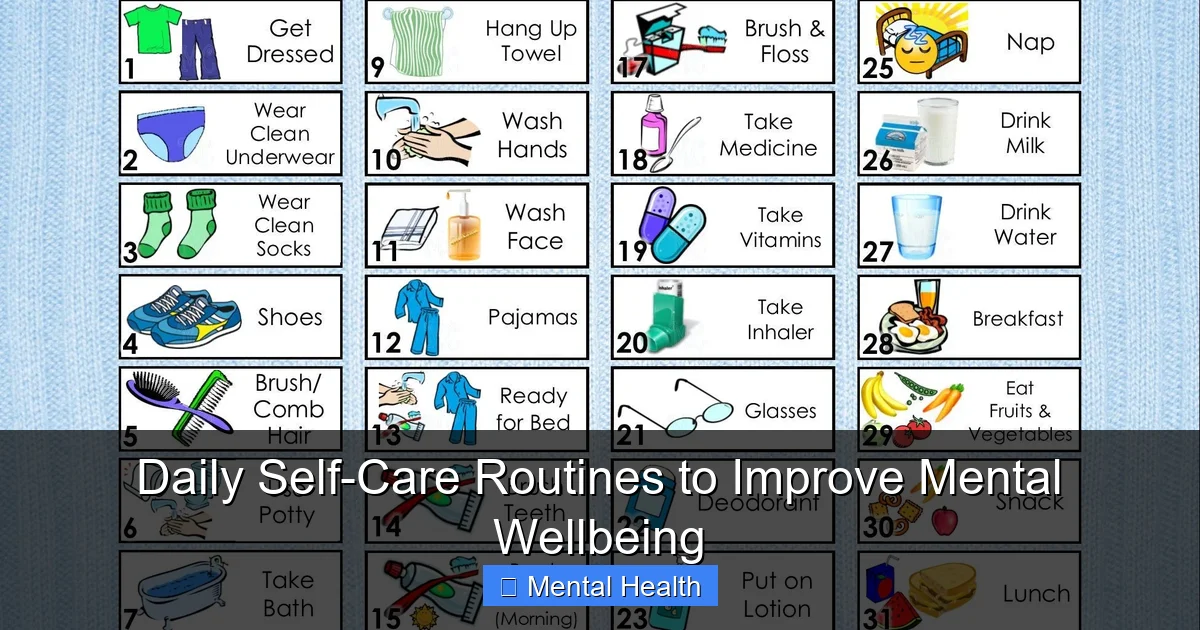
Learn more about self-care routines – Daily Self-Care Routines to Improve Mental Wellbeing
Image source: i.pinimg.com
Dispelling Myths: What Self-Care Isn’t
- It’s not just indulgence: While a treat can be part of self-care, it’s not the whole picture. True self-care often involves discipline, like exercising when you don’t feel like it, or setting boundaries that might be uncomfortable.
- It’s not a one-size-fits-all solution: What works for one person might not work for another. Your self-care routines should be deeply personal and evolve with your needs.
- It’s not about avoiding problems: Self-care helps you build resilience to face problems head-on, not escape them.
- It’s not selfish: When you take care of yourself, you have more energy, patience, and compassion to give to others. It’s a foundational act of generosity.
The Pillars of Holistic Well-being
Effective self-care routines address multiple dimensions of our lives. Neglecting one area can impact the others. A truly holistic approach considers:
| Self-Care Activity | Recommended Frequency | Primary Mental Health Benefit | Illustrative Impact/Statistic |
|---|---|---|---|
| Mindfulness & Meditation | Daily (10-20 mins) | Reduced stress, improved focus, emotional regulation | Studies show up to 30% reduction in anxiety symptoms with consistent practice. |
| Physical Activity | 3-5 times/week (30 mins) | Mood boost, stress relief, increased energy levels | Can be as effective as medication for mild-to-moderate depression symptoms. |
| Quality Sleep | 7-9 hours per night | Enhanced cognitive function, emotional resilience, better mood | Inadequate sleep is linked to a 2x higher risk of mental distress. |
| Social Connection | Weekly dedicated time | Reduced loneliness, increased sense of belonging and support | Strong social ties correlate with lower rates of depression and longer lifespans. |
| Digital Detox/Breaks | Daily (e.g., 1 hour before bed) | Reduced mental fatigue, improved focus, better sleep quality | Reduced social media use can lead to significant improvements in self-esteem and body image. |
- Physical Health: Sleep, nutrition, exercise, hydration.
- Mental Health: Learning, creativity, mindfulness, stress management.
- Emotional Health: Processing feelings, healthy expression, self-compassion.
- Social Health: Meaningful connections, healthy boundaries, community.
- Spiritual Health: Purpose, values, connection to something greater than oneself (can be religious or secular).
- Practical/Environmental Health: Organization, financial management, a supportive living/working space.
By consciously tending to these areas, you build a robust foundation for enduring mental wellbeing. Studies show that individuals who regularly engage in self-care routines report lower stress levels, improved mood, and greater life satisfaction. For instance, a survey by the American Psychological Association found that a significant percentage of adults feel overwhelmed by stress, yet many struggle to incorporate effective stress-reducing activities, highlighting the gap that intentional self-care can fill.
Crafting Your Morning Self-Care Rituals
The way you start your day often dictates its trajectory. A rushed, stressful morning can leave you feeling reactive and overwhelmed before you’ve even had your first coffee. Conversely, a thoughtful morning self-care routine can anchor you, setting a positive, intentional tone for the hours ahead.
Learn more about self-care routines – Daily Self-Care Routines to Improve Mental Wellbeing
Image source: i.pinimg.com
Waking Up Mindfully
- Resist the Urge to Grab Your Phone: Give yourself at least 15-30 minutes before engaging with screens. This protects your brain from an immediate onslaught of information and allows for a calmer transition.
- Hydrate Immediately: Before coffee, drink a large glass of water, perhaps with lemon. This rehydrates your body after hours of sleep and kickstarts your metabolism.
- Stretch and Move: Engage in gentle stretching, a short yoga sequence, or just a few minutes of mindful movement. This wakes up your muscles, increases blood flow, and releases tension.
Nourishing Your Body and Mind
- Mindful Breathing or Meditation: Dedicate 5-10 minutes to deep breathing exercises or a guided meditation. This practice grounds you, improves focus, and reduces anxiety. Research indicates that even short periods of daily meditation can significantly reduce stress and improve emotional regulation.
- Journaling for Clarity: Spend a few minutes free-writing, noting down your thoughts, feelings, intentions for the day, or things you’re grateful for. This can help process emotions and clarify priorities.
- Eat a Nutritious Breakfast: Fuel your body with a balanced meal that includes protein, healthy fats, and complex carbohydrates. Pay attention to what you’re eating, savoring each bite, rather than rushing.
- Plan Your Day (Lightly): Take a few moments to review your schedule and prioritize 1-3 key tasks. This provides direction without creating overwhelm.
These morning self-care routines aren’t about adding more to your plate; they’re about starting your day with intention and self-awareness, which ultimately saves you energy later on.
Integrating Self-Care Throughout Your Day
Your self-care routines shouldn’t end after breakfast. The workday and daily responsibilities can be demanding, making it even more crucial to weave in moments of care. These “micro-breaks” are not luxuries; they are essential for sustained focus, creativity, and emotional balance.
Micro-Breaks for Macro Impact
- The 5-Minute Reset: Every hour or two, step away from your task. Stand up, stretch, look out a window, or take a few deep breaths. This prevents mental fatigue and keeps you refreshed.
- Walk and Talk: If possible, take calls while walking outdoors. The movement and fresh air can improve cognitive function and mood.
- Listen to Uplifting Music or a Podcast: During commutes or while performing routine tasks, choose content that inspires, educates, or simply makes you feel good.
- Practice Mindful Sips: Whether it’s water, tea, or coffee, take a moment to truly taste and appreciate your drink. This small act of mindfulness can be a mini-meditation.
Mindful Eating and Movement
Your lunch break is more than just fuel; it’s an opportunity for a restorative pause.
- Step Away from Your Desk: Eat lunch in a different environment, ideally outdoors or in a quiet space. This separation helps signal a break to your brain.
- Eat Slowly and Mindfully: Pay attention to the flavors, textures, and sensations of your food. Avoid scrolling through your phone or working while you eat.
- Incorporate Light Movement: After lunch, take a short walk. Even 10-15 minutes can significantly boost your energy, improve digestion, and clear your head.
Setting Boundaries and Saying No
Perhaps one of the most challenging, yet crucial, aspects of daily self-care is learning to set healthy boundaries. This means:
- Protecting Your Time: Learn to decline requests that don’t align with your priorities or that would overextend you.
- Limiting Digital Overload: Schedule specific times to check emails and social media, and avoid being constantly “on.”
- Communicating Your Needs: Clearly express your boundaries to colleagues, friends, and family. Remember, saying no to something that drains you is saying yes to your well-being.
Boundary setting is a powerful component of emotional self-care, preventing resentment and preserving your energy.
Evening Self-Care for Restorative Sleep and Reflection
The evening is your chance to wind down, process the day, and prepare your body and mind for restorative sleep. Establishing consistent evening self-care routines can dramatically improve sleep quality, which in turn impacts every aspect of your mental and physical health. Poor sleep is linked to increased stress, anxiety, and impaired cognitive function.
Winding Down Mindfully
- Digital Detox Hour: Aim to put away all screens (phones, tablets, computers, TV) at least 60-90 minutes before bed. The blue light emitted by screens disrupts melatonin production, making it harder to fall asleep.
- Engage in Calming Activities: Replace screen time with activities that soothe your nervous system. This could include:
- Reading a physical book or magazine
- Listening to calming music or a podcast
- Gentle stretching or restorative yoga
- Taking a warm bath or shower with essential oils
- Reflect and Release: Practice a gratitude exercise, noting down 3-5 things you’re thankful for from the day. Alternatively, briefly journal any worries or unresolved thoughts to get them out of your head before bed.
Preparing for Restful Sleep
- Optimize Your Sleep Environment: Ensure your bedroom is dark, quiet, and cool (ideally between 60-67°F or 15-19°C). Invest in comfortable bedding.
- Maintain a Consistent Sleep Schedule: Go to bed and wake up around the same time each day, even on weekends. This regulates your body’s natural sleep-wake cycle.
- Avoid Heavy Meals, Caffeine, and Alcohol: Consume these substances several hours before bedtime, as they can interfere with sleep quality.
- Deep Breathing or Body Scan Meditation: Once in bed, use a simple deep breathing technique or a body scan meditation to relax your muscles and quiet your mind, easing you into sleep.
These evening self-care routines are not just about sleeping; they’re about intentionally closing out your day, allowing your mind to process and reset, leading to deeper rest and improved mental clarity for the next morning.
The Various Dimensions of Self-Care: A Holistic Approach
To truly embrace self-care routines, it’s helpful to understand its multi-faceted nature. Holistic self-care acknowledges that we are complex beings with diverse needs. Neglecting one area can create imbalances that ripple through our entire system.
Physical Self-Care
This dimension focuses on nurturing your physical body. It’s the most tangible form of self-care and often the easiest to recognize.
- Adequate Sleep: Aim for 7-9 hours of quality sleep per night.
- Nutritious Diet: Fuel your body with whole, unprocessed foods.
- Regular Exercise: Find activities you enjoy, whether it’s walking, dancing, strength training, or yoga.
- Hydration: Drink plenty of water throughout the day.
- Hygiene: Basic cleanliness, dental care, and skin care contribute to feeling good.
- Medical Care: Regular check-ups, addressing health concerns promptly.
Emotional Self-Care
This involves understanding, acknowledging, and healthily expressing your emotions.
- Journaling: As mentioned, writing down feelings can be incredibly therapeutic.
- Practicing Self-Compassion: Treat yourself with the same kindness you would a dear friend.
- Emotional Expression: Crying, talking to a trusted friend or therapist, or engaging in creative outlets to process feelings.
- Setting Boundaries: Protecting yourself from emotionally draining situations or people.
- Mindfulness: Observing emotions without judgment.
Mental Self-Care
This focuses on keeping your mind sharp, engaged, and free from excessive stress.
- Learning New Things: Reading, taking a course, developing a new skill.
- Creative Outlets: Painting, writing, playing music, crafting.
- Mindfulness & Meditation: Calming an overactive mind.
- Reducing Mental Clutter: Decluttering your physical space, organizing your digital files.
- Intellectual Stimulation: Engaging in stimulating conversations or debates.
- Taking Mental Breaks: Stepping away from work or intense tasks.
Social Self-Care
Connecting with others in meaningful ways is fundamental to human well-being.
- Spending Time with Loved Ones: Prioritize quality time with family and friends.
- Setting Healthy Boundaries: Avoiding toxic relationships and social overcommitment.
- Connecting with Community: Volunteering, joining groups with shared interests.
- Limiting Social Media: Engaging in real-life interactions over virtual ones.
- Seeking Support: Reaching out when you need help or a listening ear.
Spiritual Self-Care
This dimension involves connecting with your sense of purpose, values, or a higher power. It’s highly personal and doesn’t necessarily mean religious practice.
- Spending Time in Nature: Connecting with the natural world.
- Meditation or Prayer: Engaging in practices that foster inner peace.
- Practicing Gratitude: Regularly acknowledging the good things in your life.
- Reflecting on Values: Understanding what truly matters to you and aligning your actions.
- Engaging in Meaningful Work: Finding purpose in your professional or volunteer efforts.
Practical Self-Care
This involves taking care of the practical aspects of life to reduce future stress.
- Financial Planning: Budgeting, saving, paying bills on time.
- Organizing Your Space: Keeping your home and workspace tidy.
- Time Management: Planning your schedule to avoid last-minute rushes.
- Household Chores: Staying on top of responsibilities to prevent overwhelm.
- Skill Building: Learning to fix things, basic car maintenance, etc.
By regularly assessing and nurturing each of these dimensions, you create robust and resilient self-care routines that support your overall mental wellbeing.
Overcoming Obstacles and Sustaining Your Self-Care Journey
Building consistent self-care routines is a journey, not a destination. You’ll encounter obstacles, face days when motivation wanes, and sometimes feel guilty for prioritizing yourself. Recognizing these common hurdles is the first step to overcoming them.
Time Constraints and Busy Schedules
This is perhaps the most common excuse, and often, a valid concern. However, self-care doesn’t have to be an elaborate, time-consuming affair.
- Start Small: Begin with just 5-10 minutes of self-care per day. A short meditation, a mindful walk, or a few deep breaths. Consistency beats intensity.
- Schedule It: Just like any other important appointment, block out time for your self-care practices in your calendar.
- Stack Habits: Pair a new self-care activity with an existing habit. For example, “after I brush my teeth, I’ll journal for 2 minutes.”
- Identify Time Wasters: Where can you reclaim minutes? Could you reduce mindless scrolling by 15 minutes to read a book instead?
Guilt and Self-Doubt
Many people struggle with feeling selfish or unworthy of prioritizing their own needs. This often stems from societal conditioning or personal beliefs.
- Reframe Your Perspective: Remember that self-care is not selfish; it’s a prerequisite for effectively caring for others. You cannot pour from an empty cup.
- Challenge Negative Thoughts: When guilt arises, question it. “Is it truly selfish to take 15 minutes for myself to feel more energized and present for my family?”
- Educate Others (Gently): Explain to loved ones why your self-care routines are important for your mental health and overall capacity.
Consistency is Key: Starting Small
The key to making self-care routines stick is consistency, not perfection. Don’t aim for drastic changes overnight. Instead:
- Be Realistic: Don’t try to overhaul your entire life in one go. Pick one or two small habits to implement, master them, and then add more.
- Track Your Progress: Use a journal, a habit tracker app, or a simple calendar to mark off days you engage in your self-care. Seeing your progress can be highly motivating.
- Be Flexible: Life happens. Some days, your routine might get derailed. Don’t let one missed day turn into a week. Simply acknowledge it and get back on track the next day.
- Celebrate Small Wins: Acknowledge and appreciate yourself for sticking to your routines, no matter how small the action.
Remember that your self-care journey is unique. There will be good days and challenging days. The goal isn’t to eliminate stress, but to build your capacity to manage it effectively and maintain your mental wellbeing through consistent, compassionate self-care.
Conclusion
In a world constantly demanding our attention and energy, establishing robust self-care routines is no longer optional; it’s a non-negotiable strategy for maintaining your mental wellbeing and cultivating a fulfilling life. From the intentional awakening of your morning rituals to the restorative winding down of your evenings, every small act of self-care contributes to a greater sense of peace, resilience, and inner strength.
We’ve explored how a holistic approach encompassing physical, mental, emotional, social, spiritual, and practical self-care creates a powerful foundation for health. By integrating these actionable tips – from mindful breathing and setting boundaries to prioritizing sleep and engaging in joyful movement – you are actively investing in your most valuable asset: yourself. Don’t let the myths of self-care being selfish or indulgent deter you; instead, embrace it as a vital act of self-preservation and empowerment.
Your journey with daily self-care practices is personal and ever-evolving. Start small, be patient with yourself, and celebrate every step forward. The profound benefits – reduced stress, improved mood, enhanced clarity, and a deeper connection to yourself – are well worth the effort. Begin today, choose one small habit from this guide, and commit to it. Your mind, body, and spirit will thank you for making your well-being a priority.
Frequently Asked Questions
What exactly are self-care routines and why are they important?
Self-care routines are deliberate, regular practices you engage in to maintain or improve your physical, mental, and emotional health. They are crucial because they proactively help manage stress, prevent burnout, and foster overall wellbeing, rather than just reacting to stress.
How do daily self-care routines specifically help improve mental wellbeing?
Engaging in consistent self-care routines provides a sense of control and stability, significantly reducing anxiety and stress levels. They help build resilience, improve mood, and allow you to recharge, ultimately leading to a more positive outlook and better emotional regulation.
What are some simple, practical examples of daily self-care routines I can incorporate?
Simple self-care routines can include taking a 15-minute walk outdoors, practicing mindful breathing for five minutes, reading a chapter of a book, or dedicating time for a creative hobby. Even small, consistent actions like journaling or enjoying a cup of tea in silence can make a profound difference.
Do I need a lot of time to incorporate effective self-care routines into my day?
Not at all; effective self-care routines don’t require large time commitments to be beneficial. Even 10-15 minutes dedicated daily to an activity like meditation, stretching, or quiet reflection can significantly impact your mental wellbeing. The key is consistency, not necessarily duration.
I struggle with consistency; how can I make my self-care routines sustainable and stick to them?
Start small and be realistic with your expectations, choosing self-care routines and activities you genuinely enjoy. Integrate them into your existing schedule, perhaps by pairing them with another daily habit, and remember that progress, not perfection, is the goal for lasting change.
Can self-care routines be personalized, or are there standard activities everyone should do?
Absolutely, self-care routines are highly personal and should be tailored to your unique needs, preferences, and lifestyle. What works for one person may not work for another, so experiment with different activities to discover what truly rejuvenates and nourishes your mental wellbeing.