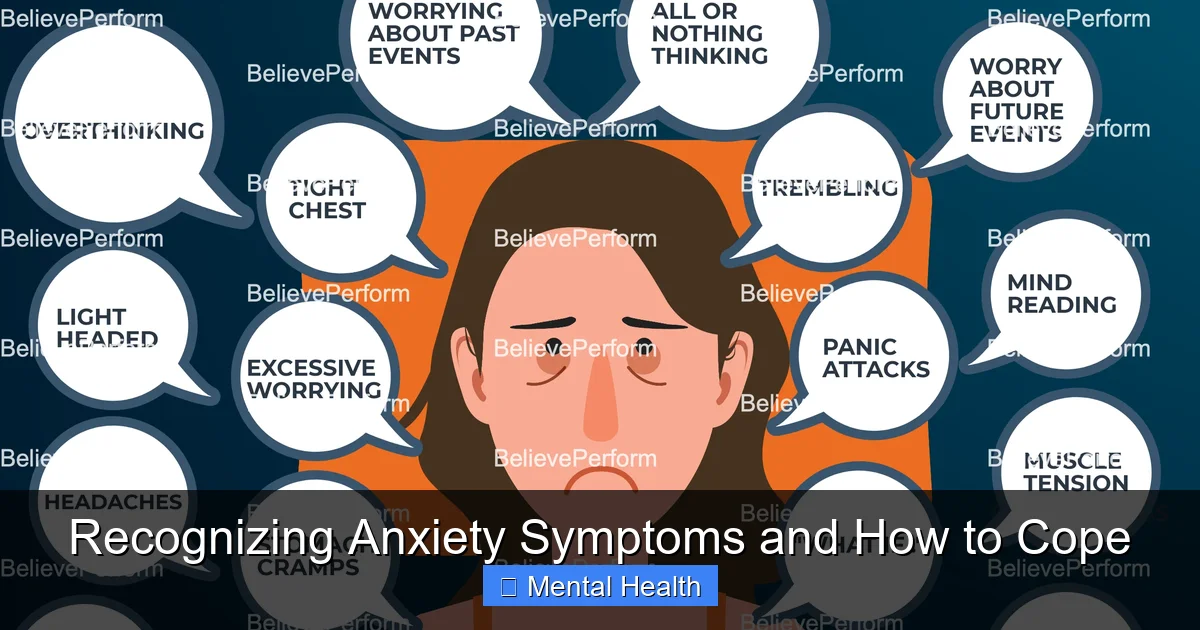
Featured image for this comprehensive guide about anxiety symptoms
Image source: believeperform.com
Recognizing Anxiety Symptoms and How to Cope
In the whirlwind of modern life, it’s easy to feel overwhelmed. Deadlines, responsibilities, personal challenges – they all contribute to the stresses we face daily. While a certain degree of worry is a natural human response, helping us navigate potential threats and make wise decisions, when that worry escalates and becomes persistent, intense, and starts to interfere with your daily life, you might be experiencing something more profound: anxiety. Understanding and recognizing anxiety symptoms is the critical first step toward regaining control and finding peace.
Anxiety disorders are among the most common mental health conditions worldwide. According to the World Health Organization (WHO), an estimated 1 in 13 people globally suffer from anxiety. This isn’t just a fleeting feeling; it’s a complex condition that can manifest in various ways, affecting your mind, body, and behavior. Often, people live for years without realizing that the strange sensations, racing thoughts, or sudden urges they experience are actually anxiety symptoms. This blog post aims to shine a light on these manifestations, helping you identify them and equipping you with practical strategies to cope effectively.
Whether you’re struggling yourself, or trying to understand a loved one’s experience, delving into the intricacies of anxiety symptoms is crucial. We’ll explore the different ways anxiety can present itself – from the physical sensations that mimic serious illnesses to the emotional turmoil and cognitive traps that can dominate your thoughts. More importantly, we’ll guide you through actionable tips and insights, empowering you to manage these symptoms and lead a more fulfilling life. Let’s embark on this journey of understanding and healing together.
Quick Answers to Common Questions
What are the most common physical anxiety symptoms?
Many people experience a racing heart, shortness of breath, sweating, or trembling as common physical anxiety symptoms. Your body might feel like it’s on high alert, even when there’s no immediate danger.
Can anxiety symptoms affect my thoughts and focus?
Absolutely! Mental anxiety symptoms often include constant worrying, difficulty concentrating, feeling restless, or a sense of impending doom. These cognitive patterns are a very real part of experiencing anxiety symptoms.
How do I know if what I’m feeling is stress or true anxiety symptoms?
While related, stress is usually a reaction to external pressures, whereas anxiety symptoms can be persistent, intense worry that continues even without an obvious stressor. If your anxiety symptoms are frequent and disruptive, it’s often more than just typical stress.
Do anxiety symptoms always feel the same for everyone?
Not at all! While there are common threads, anxiety symptoms can vary widely in intensity and specific presentation from person to person. Your unique experience of anxiety symptoms is valid and can differ from others.
Are there any less obvious anxiety symptoms I should look out for?
Definitely! Beyond the typical, less obvious anxiety symptoms can include persistent muscle tension, digestive issues, irritability, or difficulty falling or staying asleep. Recognizing these subtle anxiety symptoms can be a crucial first step.
📋 Table of Contents
- Understanding Anxiety: More Than Just Stress
- The Four Pillars of Anxiety: Diverse Symptom Categories
- Decoding Your Body: Common Physical Anxiety Symptoms
- The Mind’s Labyrinth: Emotional and Cognitive Anxiety Symptoms
- Behavioral Manifestations and When to Seek Professional Help
- Summary of Core Anxiety Symptoms by Category
- Practical Pathways to Peace: Effective Coping Strategies
- Conclusion
Understanding Anxiety: More Than Just Stress
Before diving into the specific anxiety symptoms, it’s important to differentiate between everyday stress and clinical anxiety. Stress is a normal reaction to demanding situations. It’s usually short-lived and dissipates once the stressor is removed. For example, feeling stressed before a big presentation or a job interview is completely normal. Your body gears up, giving you the energy to tackle the challenge.

Learn more about anxiety symptoms – Recognizing Anxiety Symptoms and How to Cope
Image source: choosingtherapy.com
Anxiety, on the other hand, can be much more pervasive and persistent. It’s often characterized by excessive worry, apprehension, and fear that may not be directly tied to a specific threat, or is disproportionate to the actual situation. When anxiety becomes a disorder, it can significantly impair your ability to function in various aspects of life, including work, relationships, and daily activities. There are several types of anxiety disorders, including Generalized Anxiety Disorder (GAD), Panic Disorder, Social Anxiety Disorder, and Specific Phobias, each with its own unique set of primary anxiety disorder symptoms.
| Symptom Category | Specific Symptom | Key Impact / Prevalence Note |
|---|---|---|
| Physical | Rapid Heartbeat & Shortness of Breath | Often triggers panic; perceived as threat. Reported by ~75% during acute anxiety episodes. |
| Cognitive/Emotional | Excessive & Uncontrollable Worry | Hallmark of Generalized Anxiety Disorder (GAD); consumes significant mental energy daily. |
| Cognitive | Difficulty Concentrating & Mind Blanking | Impairs daily tasks, work, and study; reported by over 60% with chronic anxiety. |
| Emotional/Behavioral | Irritability & Restlessness | Common manifestation of heightened stress; can lead to strained personal relationships. |
| Physical | Muscle Tension & Chronic Fatigue | Persistent physical discomfort; a primary complaint for 50-70% of anxiety sufferers. |
| Emotional | Feelings of Impending Doom / Dread | Intense, pervasive fear, especially acute during panic attacks; highly distressing. |
The key distinction lies in intensity, duration, and impact. If your worry feels constant, overwhelming, difficult to control, and has been present for a significant period (e.g., six months or more for GAD), it’s likely more than just stress. Recognizing these fundamental differences is the first step toward accurately identifying signs of anxiety and seeking appropriate support.
The Four Pillars of Anxiety: Diverse Symptom Categories
Anxiety symptoms are not confined to just one area of your being; they manifest across four primary categories: physical, emotional, cognitive, and behavioral. Understanding this holistic impact is essential for a complete picture of what anxiety entails.

Learn more about anxiety symptoms – Recognizing Anxiety Symptoms and How to Cope
Image source: my.clevelandclinic.org
1. Physical Anxiety Symptoms
These are the bodily sensations that can often be alarming and may lead individuals to believe they have a serious medical condition. Your body’s “fight or flight” response is constantly activated, leading to a range of physiological changes.
2. Emotional Anxiety Symptoms
These are the feelings and moods associated with anxiety, often characterized by a sense of unease, fear, or dread. They can be incredibly distressing and pervasive.
3. Cognitive Anxiety Symptoms
These refer to the thought patterns and mental processes that are affected by anxiety. They often involve excessive worry, catastrophic thinking, and difficulty concentrating. For practical tools to reframe these thoughts, consider exploring CBT exercises for anxiety.
4. Behavioral Anxiety Symptoms
These are the actions or inactions people take as a result of their anxiety. They often manifest as avoidance or compulsive behaviors aimed at reducing perceived threats.
Each of these categories contributes to the complex experience of anxiety, and individuals may experience a varying combination of these anxiety symptoms depending on the type and severity of their condition.
Decoding Your Body: Common Physical Anxiety Symptoms
One of the most confusing aspects of anxiety for many people is the array of physical sensations it can produce. These physical anxiety symptoms can be so intense and feel so real that they often lead to fears of heart attacks, respiratory failure, or other severe medical emergencies. It’s crucial to remember that while these symptoms are distressing, they are typically not life-threatening and are a result of your body’s stress response going into overdrive.
Cardiovascular Symptoms
- Racing Heart or Palpitations: A feeling that your heart is pounding, skipping beats, or beating extremely fast. This is a very common sign of anxiety.
- Chest Pain or Tightness: Can range from a dull ache to a sharp pain, often leading to fears of a heart attack.
- High Blood Pressure: Chronic anxiety can contribute to elevated blood pressure readings.
Respiratory Symptoms
- Shortness of Breath or Hyperventilation: Feeling like you can’t get enough air, or breathing rapidly and shallowly.
- Choking Sensation: A feeling of a lump in your throat or difficulty swallowing.
Gastrointestinal Symptoms
- Nausea or Stomach Upset: Often described as “butterflies in the stomach,” or feeling sick to your stomach.
- Diarrhea or Constipation: Anxiety can disrupt normal digestive function, leading to irregular bowel movements.
- Irritable Bowel Syndrome (IBS) flare-ups: Anxiety is a common trigger for IBS symptoms.
Neurological Symptoms
- Headaches or Migraines: Tension headaches are particularly common due to muscle tightness.
- Dizziness or Lightheadedness: Feeling unsteady or like you might faint.
- Tremors or Shaking: Involuntary trembling, especially in the hands.
- Numbness or Tingling: Often felt in the hands, feet, or face.
Other Physical Symptoms
- Muscle Tension: Chronic tightness in the neck, shoulders, and back.
- Fatigue: Despite feeling wired, the constant state of alertness can be exhausting.
- Sweating: Excessive sweating, often without a clear cause.
- Insomnia or Sleep Disturbances: Difficulty falling asleep, staying asleep, or restless sleep.
Experiencing one or more of these physical anxiety symptoms does not automatically mean you have an anxiety disorder, but if they are persistent, severe, and impact your quality of life, it’s a strong indicator that you should explore them further with a healthcare professional.
The Mind’s Labyrinth: Emotional and Cognitive Anxiety Symptoms
Beyond the physical sensations, anxiety deeply affects your inner world – your emotions and thought processes. These emotional anxiety symptoms and cognitive anxiety symptoms can be just as debilitating, if not more so, than the physical ones, as they shape your perception of reality and your ability to function.
Emotional Anxiety Symptoms
These are the feelings that often define the subjective experience of anxiety:
- Persistent Worry: This is a hallmark of anxiety, especially Generalized Anxiety Disorder. It’s an uncontrollable, pervasive worry about everyday things, often out of proportion to the actual likelihood or impact of the feared event.
- Restlessness or Feeling On Edge: A pervasive sense of being unable to relax, an inner agitation, or a feeling that something bad is about to happen.
- Irritability: Feeling easily annoyed, short-tempered, or frustrated, often due to heightened sensitivity to stimuli.
- Fear or Dread: A strong, often irrational, sense of impending danger or doom. This can be generalized or specific, as in panic attacks.
- Difficulty Concentrating: Feeling like your mind is foggy or scattered, making it hard to focus on tasks or conversations.
- Feeling Detached or Unrealistic: Sometimes called depersonalization or derealization, where you feel disconnected from yourself or your surroundings.
- Sense of Powerlessness: Feeling overwhelmed and unable to cope with current or future challenges.
Cognitive Anxiety Symptoms
These are the thought patterns and mental processes that are characteristic of anxiety:
- Catastrophic Thinking: Always expecting the worst-case scenario, blowing minor issues out of proportion.
- Rumination: Repetitively going over thoughts or problems in your mind, often without finding a solution.
- Overthinking: Analyzing situations excessively, trying to predict every possible outcome, often leading to paralysis by analysis.
- Intrusive Thoughts: Unwanted and often disturbing thoughts or images that pop into your mind, which can be particularly distressing.
- Difficulty Making Decisions: Due to fear of making the “wrong” choice or overanalyzing all possible outcomes.
- Memory Problems: Anxiety can interfere with memory encoding and retrieval, making it hard to recall information.
- Self-Criticism: A tendency to be overly harsh on oneself, fueling feelings of inadequacy and fear of judgment.
These cognitive anxiety symptoms can create a vicious cycle, where negative thought patterns fuel emotional distress, which in turn reinforces further negative thinking. Breaking this cycle is key to managing anxiety effectively.
Behavioral Manifestations and When to Seek Professional Help
Beyond how anxiety makes you feel and think, it also significantly influences how you act. These behavioral anxiety symptoms are often visible to others and can profoundly impact your social life, work, and personal development. Recognizing these behaviors is crucial for both self-awareness and for those around you to offer support.
Common Behavioral Anxiety Symptoms
- Avoidance: A primary behavioral symptom, people with anxiety often go to great lengths to avoid situations, places, or people they associate with their fears or triggers. This can lead to social isolation, missing out on opportunities, and an ever-shrinking comfort zone.
- Restlessness and Fidgeting: Inability to sit still, pacing, tapping feet, nail-biting, hair-twirling.
- Seeking Reassurance: Constantly asking others for confirmation that things will be okay, or that you haven’t made a mistake. While a normal human need, excessive reassurance-seeking can indicate deeper anxiety.
- Social Withdrawal: Pulling away from friends, family, and social events due to fear of judgment, embarrassment, or overwhelming social situations (common in social anxiety disorder).
- Compulsive Behaviors (in some cases): While more characteristic of Obsessive-Compulsive Disorder (OCD), some anxiety disorders can involve repetitive behaviors aimed at reducing anxiety (e.g., excessive checking, ordering, cleaning).
- Irritability and Outbursts: As discussed in emotional symptoms, this can also manifest behaviorally as snapping at others or having low tolerance for minor annoyances.
- Procrastination: Delaying tasks due to overwhelming fear of failure or not doing them perfectly.
When to Seek Professional Help
It’s important to remember that experiencing some anxiety symptoms occasionally is normal. However, if your symptoms are:
- Persistent: Lasting for weeks or months, not just a few days.
- Intense: Causing severe distress or panic.
- Disruptive: Interfering with your daily life, work, relationships, or schooling.
- Unmanageable: You feel unable to control your worry or stop the anxious feelings.
- Accompanied by other concerns: Such as depression, substance abuse, or thoughts of self-harm.
If any of these describe your situation, it’s time to reach out to a mental health professional. This could be a general practitioner, a psychologist, a psychiatrist, or a licensed therapist. They can provide an accurate diagnosis, rule out any underlying medical conditions, and discuss appropriate treatment plans.
Don’t wait until anxiety completely overtakes your life. Early intervention can make a significant difference in managing anxiety disorder symptoms and improving your overall well-being. Seeking help is a sign of strength, not weakness. For those considering professional support, learning about cognitive behavioral therapy can be a helpful starting point.
Summary of Core Anxiety Symptoms by Category
For a quick overview, here’s a table summarizing the main categories of anxiety symptoms and common examples:
| Symptom Category | Description | Common Examples of Anxiety Symptoms |
|---|---|---|
| Physical Symptoms | Bodily sensations triggered by the “fight or flight” response. |
|
| Emotional Symptoms | Feelings and moods associated with heightened fear or unease. |
|
| Cognitive Symptoms | Distorted thought patterns and mental processes. |
|
| Behavioral Symptoms | Actions or inactions taken in response to anxiety. |
|
Practical Pathways to Peace: Effective Coping Strategies
Identifying anxiety symptoms is important, but knowing how to manage them is where true empowerment lies. While severe anxiety disorders often require professional intervention, many effective strategies can help alleviate symptoms and improve your overall well-being. These tips focus on both immediate relief and long-term resilience.
Immediate Relief Techniques for Acute Anxiety Symptoms
- Deep Breathing Exercises: When anxiety strikes, your breathing becomes shallow and rapid. Deep, diaphragmatic breathing can calm your nervous system. Try the 4-7-8 method: inhale for 4 counts, hold for 7, exhale slowly for 8. Repeat several times.
- Grounding Techniques: If you feel detached or overwhelmed, grounding helps bring you back to the present moment. Try the 5-4-3-2-1 technique: identify 5 things you can see, 4 things you can touch, 3 things you can hear, 2 things you can smell, and 1 thing you can taste.
- Mindfulness Meditation: Focus on your breath, bodily sensations, and the sounds around you without judgment. Even a few minutes can reduce the intensity of anxiety symptoms. Apps like Headspace or Calm can guide you. For more structured approaches, check out these mindfulness techniques to reduce stress and anxiety.
- Physical Activity: A quick walk, some jumping jacks, or stretching can release pent-up energy and reduce muscle tension.
- Challenge Anxious Thoughts: Ask yourself: “Is this thought 100% true? What’s the evidence for and against it? What’s the worst that could realistically happen? What advice would I give a friend?”
Long-Term Strategies for Managing Anxiety
Building resilience against anxiety symptoms requires consistent effort and lifestyle adjustments.
- Regular Exercise: Aim for at least 30 minutes of moderate activity most days of the week. Exercise is a powerful stress reducer and mood elevator.
- Balanced Diet: Limit caffeine, sugar, and processed foods, which can exacerbate anxiety. Focus on whole, unprocessed foods, lean proteins, and healthy fats.
- Prioritize Sleep: Establish a consistent sleep schedule, create a relaxing bedtime routine, and ensure your sleep environment is conducive to rest. Chronic sleep deprivation can worsen anxiety symptoms.
- Limit Alcohol and Nicotine: While they might offer temporary relief, both can disrupt sleep and worsen anxiety in the long run.
- Practice Self-Care: Make time for hobbies, relaxation, and activities you enjoy. This could be reading, listening to music, spending time in nature, or creative pursuits.
- Build a Support System: Connect with trusted friends, family members, or support groups. Sharing your experiences can reduce feelings of isolation and provide perspective.
- Set Boundaries: Learn to say “no” to commitments that overwhelm you. Protecting your time and energy is crucial for managing stress and anxiety.
- Time Management: Breaking down large tasks into smaller, manageable steps can reduce feelings of overwhelm and prevent procrastination.
- Therapy (Psychotherapy): Cognitive Behavioral Therapy (CBT) is highly effective for anxiety disorders. It helps you identify and change negative thought patterns and behaviors. Other therapies like Exposure Therapy (for phobias) or Acceptance and Commitment Therapy (ACT) can also be beneficial.
- Medication: For some, medication (such as antidepressants or anti-anxiety drugs) prescribed by a psychiatrist can significantly help manage severe anxiety symptoms, especially when combined with therapy.
Remember, coping with anxiety symptoms is a journey, not a destination. There will be good days and challenging days. Be patient and compassionate with yourself, and celebrate small victories along the way. Experiment with different strategies to find what works best for you, and don’t hesitate to adapt your approach as needed.
Conclusion
Understanding and recognizing anxiety symptoms is the cornerstone of effective management and recovery. From the physical sensations that can mimic serious illness, to the persistent worries that consume your thoughts, and the behavioral patterns that limit your life, anxiety manifests in myriad ways. By delving into these diverse presentations – physical, emotional, cognitive, and behavioral – we hope to have provided clarity and validated your experiences, or those of someone you care about.
It’s important to reiterate that you are not alone in this struggle. Millions worldwide experience anxiety symptoms, and help is readily available. Whether through self-help techniques, lifestyle adjustments, or professional intervention like therapy and medication, there are proven pathways to alleviate distress and regain control. The journey to managing anxiety begins with acknowledging its presence and then actively seeking out the tools and support you need.
If you or a loved one are consistently experiencing these signs of anxiety and they are impacting daily life, please reach out to a healthcare professional. Taking that brave step is the most powerful action you can take toward a calmer, more fulfilling future. Remember, understanding your symptoms is the first step; taking action is the next. You deserve to live a life free from the overwhelming grip of anxiety.
Frequently Asked Questions
What are the common physical anxiety symptoms I might experience?
Anxiety often manifests physically through a racing heart, shortness of breath, trembling, and muscle tension. You might also feel dizzy, experience digestive issues like an upset stomach, or have persistent headaches.
Can anxiety symptoms affect my thoughts and emotions?
Absolutely. Anxiety symptoms frequently include persistent worry, difficulty concentrating, and intrusive negative thoughts. Emotionally, you might feel irritable, restless, or have a sense of impending doom or dread.
Are there different types of anxiety symptoms?
While there’s a core set, specific anxiety disorders can present with unique symptoms. For instance, panic attacks involve sudden, intense physical symptoms, whereas generalized anxiety often features chronic, pervasive worry about everyday things.
How do I know if what I’m feeling is just stress or actual anxiety symptoms?
Stress is typically a response to an external pressure and subsides when the stressor is removed. Anxiety symptoms, however, can persist even without an obvious trigger, feel disproportionate to the situation, and significantly interfere with daily life.
When should I seek professional help for my anxiety symptoms?
It’s advisable to seek help if your anxiety symptoms are frequent, intense, difficult to control, or begin to impact your work, relationships, or overall quality of life. A professional can help diagnose and develop an effective coping strategy.
Are there any immediate ways to cope with sudden anxiety symptoms?
Yes, practices like deep breathing exercises, mindfulness, or grounding techniques can help calm your nervous system. Engaging in a light physical activity or focusing on a specific sensory detail in your environment can also provide immediate relief.